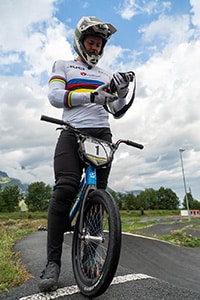
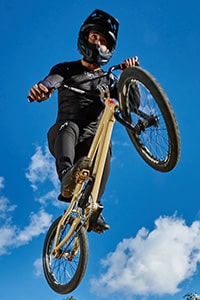
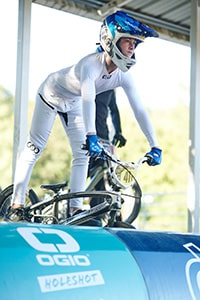
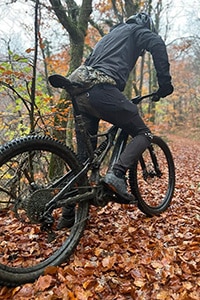
Mountain biking is a demanding discipline. Every ride confronts you with sharp rocks, slippery roots, thick mud, and branches whipping at your legs. In this environment, the gear you wear makes all the difference between a great ride and an avoidable injury.
MTB pants are much more than just clothing. They are active protection that absorbs impacts during crashes, guards your skin against abrasions, and allows you to ride with confidence on any terrain. Unlike regular pants, MTB pants are specifically designed to meet the mechanical and physical demands of mountain biking.
Wearing the right pants also means gaining comfort during long rides. Your leg muscles work intensely, and the right gear reduces fatigue, improves circulation, and allows you to focus on your technique rather than your aches and pains.
“Good MTB pants don’t just protect the rider; they also improve confidence and flow on the trails.”
A well-equipped rider thinks about every part of their body. A complete MTB gear setup includes the helmet, MTB jersey, MTB gloves, MTB goggles, and of course, MTB pants. Each piece plays a specific role, and pants are often the most heavily relied upon protection during a crash.
When you fall, it’s the knees and thighs that hit the ground first. Quality MTB pants feature strategic reinforcements in these exact areas, protecting vulnerable zones without restricting movement. They work in harmony with the knee pads you wear underneath, keeping them in place and adding an extra layer of external protection.
Nologo Racing Trail Ride Pants are an excellent example of this type of gear, designed for riders who take their safety seriously. With carefully selected materials and a cut optimized for mountain biking, they represent exactly what true trail pants should be.
“A complete MTB gear setup always starts with reliable protection, and pants are a core part of that.”
MTB apparel as a whole forms a cohesive protection system. Neglecting one piece creates a weak link in your overall defense. Unfortunately, pants are often mistakenly treated as that neglected link.
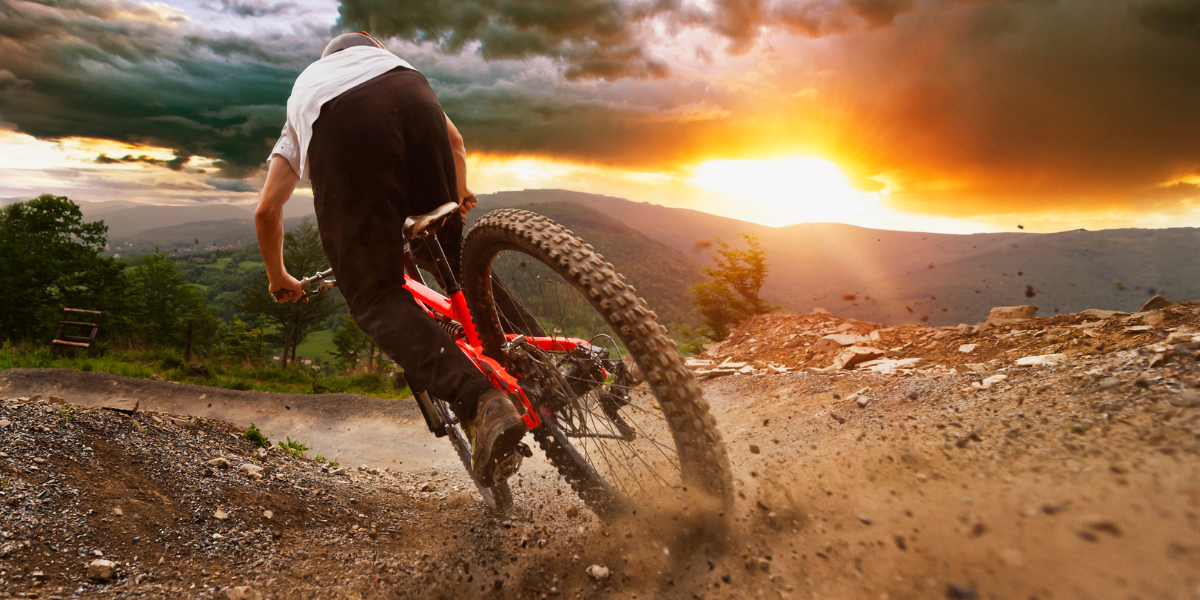
How do you spot high-quality MTB pants? Several technical criteria distinguish true trail pants from basic sportswear dressed up for mountain biking.
It is the first feature to look for. The materials used must withstand contact with rocks, dirt, and branches without tearing instantly. Reinforced technical fabrics, often high-density nylon or polyester, provide this durability while remaining lightweight.
They are essential for freedom of movement. Pedaling, jumping, and standing up on the pedals during a descent all require a wide range of motion. Elastic extension zones, usually placed behind the knees and at the groin, allow for these movements without restriction.
It prevent overheating. Sealed, non-breathable pants quickly turn your legs into a sauna during climbs. Mesh panels or perforated constructions on the thighs and calves allow for efficient ventilation.
There are critical, as they take the most abuse. Some pants feature pockets for inserting armor, while others have reinforcements sewn directly into the fabric. Both approaches have their benefits depending on the level of protection you need.
👉 Explore the best MTB pants for demanding riders
Mountain biking encompasses a highly diverse family of disciplines, and each style has its own gear requirements. MTB pants are no exception.

The ultimate versatile model. Designed for riders who alternate between climbs and descents, they prioritize a balance of lightweight feel, breathability, and moderate protection. This is the ideal choice for forest rides or varied singletracks. MTB trail pants of this type are perfect for riders seeking one pair of pants for all situations.

They are a more robust version, built for technical descents and race days. Enduro MTB pant offer reinforced protection at the knees and hips, using materials highly resistant to impacts and abrasions. Yet, they remain comfortable enough for long days of riding involving chairlifts or shuttles. Nologo Racing Enduro MTB Pants perfectly embody this category with a construction designed for the most demanding terrain.

It offer the maximum level of protection. DH MTB pants are designed for high-speed descents on extremely technical tracks. They are generally thicker, with integrated reinforcements in multiple areas. MTB downhill pants prioritize protection over maximum weight savings, which makes sense given the speeds and risks involved in this discipline.
“Every MTB discipline demands a different level of protection and flexibility.”
All-Mountain MTB pants sit between trail and enduro, offering serious protection without completely sacrificing a lightweight feel. This is often the best compromise for riders tackling varied terrain without specializing in just one discipline.

A day of mountain biking can last several hours. Temperatures rise, sweat accumulates, and poorly designed pants can quickly become sheer torture. Breathability is therefore a criterion of comfort as much as performance.
The best MTB pants use technical fabrics that actively wick sweat away. These materials, often described as “moisture-wicking,” transport moisture from the skin to the surface of the fabric where it can evaporate. The result: you stay drier and more comfortable even during intense efforts.
Ventilated panels, often made of mesh, are strategically placed on high-heat zones: the back of the knees, the inner thighs, and the lower calves. This construction allows for optimal airflow without compromising protection where it’s needed.
Modern mountain biking clothing has made massive strides in this area. Riders in the 2000s often suffered from the thermal discomfort of their gear. Today’s MTB pants are capable of handling significant temperature swings, from long climbs under the blazing sun to fast descents in the cold shadows of the forest.
“When trails get longer and more technical, comfort becomes a key performance factor.”
👉 Discover Nologo Racing Compact MTB Pants Black

This question comes up constantly in rider communities: should you choose pants or shorts for mountain biking? There is no universal answer, but a few criteria can guide your choice.
MTB pants clearly win out in several scenarios. On technical terrain with dense vegetation, branches, and brush, your legs are far better protected by pants. During fast descents, the risk of crashing often justifies the extra protection. In cool weather or at high altitudes, pants retain body heat and protect your joints from the cold.
MTB shorts, on the other hand, are preferred in hot weather for less technical cross-country rides. They offer maximum ventilation and a lightweight feel that is highly appreciated during long summer climbs. Many riders will wear shorts combined with removable protective knee pads to get the best of both worlds.
However, protective MTB pants remain the top choice for enduro and downhill, disciplines where protection takes precedence over weight.
“MTB pants are generally preferred for technical terrain where protection is essential.”
Nologo Racing Protective MTB Shorts offer a complete solution for riders who refuse to compromise between protection and comfort.
Choosing your MTB pants requires evaluating several personal parameters. Here are the questions to ask yourself before buying:
“The best MTB pants are the ones that perfectly adapt to your riding style.”

Poorly fitted MTB pants can ruin a ride. Too tight, and they restrict movement and create painful pressure points. Too loose, and they flap against the saddle, interfere with pedaling, and can even get caught in the bike’s drivetrain.
To find the right size, start by taking your measurements: waist, hips, and inseam. Compare these measurements with the manufacturer’s size guide, keeping in mind that cuts vary from brand to brand. MTB pants should be slightly roomier than everyday street pants to allow for the wide, sweeping motions of pedaling.
Check the stretch zones on the pants. The best models have elastic inserts in key areas: behind the knees, at the groin, and sometimes down the sides of the legs. These zones allow for maximum range of motion without the fabric pulling or tightening uncomfortably.
If you wear knee or hip pads under your pants, factor in that extra space. Always try the pants on with your protective gear to ensure everything fits seamlessly.
“Pants that are too tight restrict movement, while pants that are too baggy can interfere with pedaling.”
Quality MTB pants represent a solid investment. Caring for them properly preserves their technical performance and allows you to enjoy them for multiple seasons.
Washing should be gentle. Use cold or lukewarm water (30°C maximum) with a mild detergent and absolutely no fabric softener. Fabric softeners clog the pores of technical fabrics and destroy their breathability. Wash the pants inside out to protect the reinforcements and treated areas.
Avoid excessive heat. Tumble dryers, irons, and direct exposure to intense sunlight for long periods degrade the technical fibers and DWR (Durable Water Repellent) coatings. High heat can also melt the waterproof treatments that protect certain pants.
Air dry them flat or hang them in a well-ventilated area away from direct sunlight. This method preserves the shape of the pants and the durability of the fabrics.
Store your pants clean and dry in a cool place. Residual moisture promotes the growth of bacteria and foul odors. For the same reason, avoid storing them in airtight plastic bags.
MTB pants are a centerpiece of your riding gear. Whether it’s men’s MTB pants, kids’ MTB pants to safely introduce younger riders to the trails, or enduro MTB pants for demanding competitors, choosing the right pair directly influences your experience on the dirt.
Protection, comfort, and durability are the three pillars of great mountain biking pants. By understanding your actual needs, your riding discipline, and your local trail conditions, you can make an informed choice that will serve you well for dozens if not hundreds of rides.
Modern MTB pants are the result of years of innovation and direct feedback from riders all over the world. Do not overlook this investment. Your safety, comfort, and pure enjoyment of the ride depend on it.