
Posted on Leave a comment

Motocross Equipment: Guide to Mountain Biking and BMX

Maillot VTT Personnalisé

Introduction: The Reality of the Modern Ride

Let’s be honest right from the start: action sports aren’t just casual hobbies; they are a lifestyle and an absolute assault on the human body. Whether you are on a dirt track, a downhill MTB bike park, or a BMX track, the reality is brutal. As soon as you swing your leg over the saddle, you are navigating a battlefield made of hard-packed dirt, flying rocks, roots, and pure adrenaline.

A decade ago, every discipline enforced its own strict uniform: fragile, overpriced lycra for mountain bikers, thick jeans for BMX riders, and heavy armor for motocross.

Today, that boundary has completely vanished. Welcome to the era of the crossover rider.

The modern athlete is a hybrid. They spend their Saturday twisting the throttle in motocross, their Sunday bombing down an Enduro trail, and their Wednesday practicing BMX sprints. The adrenaline is the same. The hard crashes and hostile terrain are exactly the same. So, why pay for three completely different wardrobes and suffer the dreaded “bicycle tax”?

The secret is finally out: highly technical motocross gear is the absolute apex of off-road apparel. In this comprehensive guide, we are going to dissect the ideal crossover outfit piece by piece, from the science of the fabrics to the cultural revolution that propelled this gear from the dirt tracks straight into high-end urban streetwear.

 The Importance of Gear (Your Ultimate Insurance Policy)
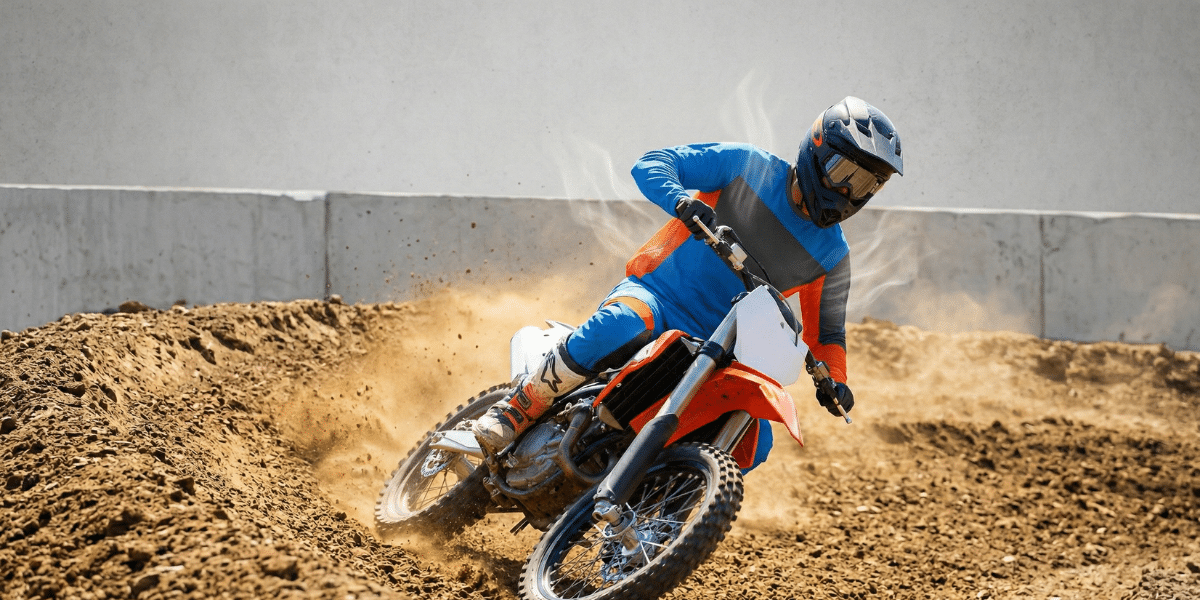
Before we dive into the fabrics and the fits, we need to talk about why high-quality crossover gear matters.

There is a common trap that beginners fall into. They will happily spend $10,000 on a new dirt bike or $5,000 on a carbon-fiber downhill mountain bike, and then they will try to save $50 by buying the cheapest, lowest-quality riding gear they can find on the internet.

This is a critical mistake. Your motocross outfit is your ultimate insurance policy. When things go wrong on the track—and if you push your limits, they will go wrong—the only thing standing between your fragile human skin and the unforgiving, rock-hard earth is the clothing you chose to wear that morning.

  • The Cost of Compromise: A cheap pair of pants will shred upon impact, leading to severe road rash (or “track rash”) that can keep you off the bike for a month.
  • The Performance Factor: Beyond crashing, your gear directly dictates your endurance. Heavy, non-breathable gear will cause you to overheat, accelerating fatigue and causing the mental mistakes that lead to crashes in the first place.

Investing in a premium enduro mtb outfit or motocross kit is not about looking like a factory pro (though that is a nice bonus). It is about ensuring you can get up, dust yourself off, and ride your bike back to the truck instead of taking a ride in an ambulance.

PRO RIDER ADVICE: DON’T SKIMP ON SAFETY

“I’ve seen too many riders ruin their season because they rode in cheap jeans or flimsy cycling shorts. Your skin is worth more than saving a few bucks. Treat your gear as the most important upgrade you can buy for your bike.”

Upgrade Your Armor with No Logo Racing Today

The Racing Jersey (Your Personal Thermostat)

maillot VTT personnalisé

When most people look at a racing outfit, their eyes are immediately drawn to the jersey. It features the brightest colors, the boldest designs, and it takes up the most visual real estate. However, many riders make the fatal mistake of treating their mtb or Motocross jersey top like a standard, long-sleeve cotton t-shirt.

While a jersey offers almost zero impact protection (that is what your hard-shell chest deflector is for), its role is arguably the most critical for your endurance. The primary job of your racing jersey is heat management and sweat evacuation.

1. The Danger of the “Brain Fog”

Motocross, BMX racing, and Downhill MTB are some of the most cardiovascularly demanding sports on the planet. Your heart rate skyrockets the exact second the starting gate drops. Underneath your helmet, your heavy boots, and your chest armor, your core temperature rises at an alarming rate.

If you wear a standard cotton shirt on the track, the cotton absorbs your sweat like a kitchen sponge. It becomes heavy, it clings to your skin, and it completely stops the natural evaporation process. Within three laps, your body begins to overheat. When a rider overheats, a highly dangerous phenomenon known as “brain fog” sets in. Your reaction times drastically slow down, your peripheral vision narrows, you start braking late into corners, and ultimately, you crash.

2. Engineered for Airflow: What to Look For

maillot mx compact noir

To fight off heat exhaustion, modern racing jerseys are highly engineered pieces of athletic wear. You need a garment that works with your body, not against it.

  • 100% Moisture-Wicking Polyester: The base material must be a synthetic polyester blend. Instead of absorbing sweat, these fibers act like microscopic straws. They pull the moisture away from your skin and push it to the outer surface of the fabric where the wind can instantly evaporate it.
  • Laser-Cut Ventilation & Mesh Panels: The best jerseys on the market actively force air through the garment. Look for a custom motocross jersey that features wide-hole mesh side panels running from the armpit down to the waist. This creates an “air-ram” effect, pulling cool air into the front of your chest and exhausting the hot air out of your back.
  • The Drop Tail Design: This is a small but crucial detail. A true racing jersey will have a “drop tail”—meaning the back hem is cut two to three inches longer than the front. When you are standing up and leaning aggressively over the handlebars, this extra fabric ensures your jersey stays securely tucked into your pants, preventing aerodynamic drag.

3. The Golden Rule: Insist on Sublimation Printing

Never, under any circumstances, buy a racing jersey with heavy, screen-printed graphics. Screen printing lays a thick layer of liquid plastic on top of the fabric. This acts as an impenetrable wall that traps heat against your chest and eventually cracks and peels after a few muddy washes.

Premium gear uses a high-tech process called Sublimation. This method uses heat to turn ink into a gas, which then permanently dyes the actual fibers of the polyester. The result is a fabric that remains 100% breathable, featuring vibrant neon or pastel colors that will never fade.

PRO RIDER ADVICE: BEAT THE HEAT

“If your jersey is sticking to your back after one lap, you’ve already lost the race mentally. You need a top that forces air through the fabric. Switch to a laser-cut, sublimated mesh jersey and watch your lap times drop because you can actually breathe.”

Read the Full Guide on Choosing the Best Motocross Jersey

 The Armor (Defending the Lower Body)

Équipement de course pour Focus

If your jersey handles the sweat, your motocross pants do the heavy lifting. When you look at the price tag of a complete gear set, the pants are always the most expensive component. Why? Because they are by far the most complex, heavily engineered, and abused piece of clothing you will ever wear.

1. The 600D Polyester Shield

Standard denim jeans or cheap off-road cycling pants will shred to pieces the second you hit the dirt at 30 mph. To survive the track, premium crossover pants are constructed from 600-Denier (600D) Polyester.

“Denier” is a measurement of the thickness and density of the individual threads used in the fabric. 600D is the industry gold standard. It provides a thick, woven, armor-like shell that resists tearing and abrasion during a crash. When you go down hard, this fabric ensures you slide across the dirt rather than leaving your skin on it.

2. The Leather Inner-Knee: The Ultimate Grip

This is the single most important feature to check when buying bmx pants or MX gear. Right where the inside of your knee grips a motorcycle, there is an exhaust pipe that can easily melt synthetic fabric in a matter of seconds.

To combat this, professional-grade pants feature large panels of genuine, heat-resistant cowhide leather sewn into the inner knees. But for the MTB and BMX rider, this leather serves a completely different, yet equally vital, dual purpose.

Not only does it act as a heat shield, but it also provides an incredible amount of friction. When you are launching off a 60-foot jump on a downhill bike, you must squeeze the bike with your legs to keep it from washing out from under you in the wind. That leather patch locks you onto the bike frame like superglue.

3. Defending Against the Flat Pedal

If you ride BMX or Enduro, you know the absolute terror of the flat pedal. Lined with sharp metal pins to keep your shoes locked in, they are basically bear traps. If your foot slips off during a sprint the dreaded “slip pedal” those pins will violently rake up your shin.

If you are wearing thin cycling shorts, your day is over and you are heading to the hospital for stitches. A dedicated crossover racing pant provides the heavy-duty woven shield necessary to block those pins and save your shins.

Engineering Mobility: Shattering the “Unpedalable” Myth

In the 1990s, racing pants were incredibly baggy to allow for movement. Today, aerodynamics and precision are key. Modern pants utilize a tapered “Athletic Fit.” This ensures that excess fabric doesn’t flap in the wind like a parachute, nor does it get caught on your footpegs or chewed up in your bicycle’s front sprocket.

But how do you maintain a tight fit without restricting a cyclist’s ability to pedal?

  • 4-Way Stretch Panels: Elastic, accordion-style panels are strategically placed across the lower back, in the crotch, and above the knees. Because of this technology, the old myth that “motocross pants are too heavy to pedal in” is completely dead. You can pedal up the steepest Enduro climbs without feeling a single pull of restriction.
  • The Ratchet Closure: A standard metal button will pop open the second you case a jump. Premium pants utilize a ratcheting belt system at the waist. This allows for micro-adjustments and ensures your pants never slide down during a race.

PRO RIDER ADVICE: THE GRIP ADVANTAGE

“Most mountain bikers don’t realize how much energy they waste trying to hold onto the bike with their arms. Get pants with genuine leather inner knees. Squeeze the frame with your legs in the air, save your upper body strength, and ride twice as long.”

Explore Our Ultimate Guide to Choosing Racing Pants

The Critical Connection (Racing Gloves)

Gants ou pas gants(gloves vs no gloves MTB riding)

Your hands are your lifeline. They are your only connection to the throttle, the clutch, and the front brake. If your grip fails, your ride is over. It is really that simple.

When beginners walk into a gear shop to buy motocross gloves or mtb gloves, they almost always make the same fundamental mistake: they buy the thickest, most heavily padded gloves they can find, assuming that more padding equals more protection. In reality, on a dirt track or a downhill trail, thick padding is your absolute worst enemy.

1. The Enemy: Arm Pump and Blisters

Have you ever been ten minutes into a fast ride, and suddenly your forearms feel like they are filled with wet cement? Your fingers lock up, you can barely pull the brake lever, and you feel like you are going to fly over the bars on the next braking bump. That feeling is called “Arm Pump” (exertional compartment syndrome), and it ruins race days.

Arm pump is primarily caused by over-gripping the handlebars. When you wear a thick, gel-padded cycling glove, it creates a squishy, disconnected barrier between your hand and the rigid metal handlebar. Because you cannot truly “feel” the bar, your brain subconsciously tells your hand to squeeze much harder than necessary. This restricts blood flow, builds up lactic acid, and causes arm pump. Furthermore, all that thick fabric bunches up in the palm of your hand, creating intense friction points that tear open massive, painful blisters.

2.The Solution: The Clarino Palm

The absolute best gloves on the market across all three sports are minimalist racing gloves. They are designed to act as an imperceptible second skin.

  • Single-Layer Clarino: You must look for a glove that features a single-layer Clarino synthetic leather palm. Clarino is a marvel of material engineering. It is incredibly thin, yet vastly more durable than standard synthetic leathers.
  • Tactile Feedback: It provides 100% tactile feedback, allowing you to feather the brake lever with millimeter precision.
  • Zero Bunching: Because it is a single flat layer, it never bunches up, effectively eliminating the friction that causes blisters.
  • TPR Deflectors: Look for gloves that utilize lightweight TPR (Thermoplastic Rubber) sonic-welded onto the knuckles. It acts as a lightweight deflector shield against flying rocks without adding rigid, heavy plastic that restricts your finger mobility.

PRO RIDER ADVICE: FEEL THE MACHINE

“Thick gel pads on gloves are a gimmick that will ruin your braking response. You need to feel every vibration of the trail to know where your traction limits are. Switch to an unpadded Clarino palm and your control will instantly improve.”

Read the Full Motocross Gloves Guide: Skin vs. Glory

How to Choose the Right Size (The Fit Guide)

Maillot Sport Personnalisé mtb,bmx

Buying the best downhill mtb outfit or motocross kit in the world means absolutely nothing if it doesn’t fit properly. Gear that is too loose will snag on your bike; gear that is too tight will restrict your blood flow and limit your mobility.

1. Sizing Your Jersey

Your jersey should have a tailored, athletic fit. It should contour to your body so it doesn’t flap in the wind, but it shouldn’t feel restrictive.

  • The Body Armor Rule: If you wear a bulky, hard-shell chest protector underneath your jersey, you must order one size larger than your standard daily t-shirt size. If you wear your chest protector on the outside (over the jersey), simply order your normal t-shirt size.

2. Sizing Your Pants

Motocross pants sit slightly higher on the hips than your everyday streetwear jeans.

  • Measure Correctly: Do not rely on your jean size. Take a flexible tape measure and measure your waist just below your belly button.
  • The Knee Brace Rule: Premium pants feature an R.A.P. (Rider Attack Position) cut, meaning the knees are pre-curved and naturally roomy. However, if you wear massive, custom-fitted medical knee braces, ensure you measure your leg circumference while wearing the braces to ensure the pants have adequate stretch to accommodate them.

3. Sizing Your Gloves

Gloves are the one piece of gear that must fit flawlessly.

  • The Snug Test: Put the glove on and wrap your hand around a handlebar. If there is extra fabric bunching up in the palm, or if the tips of the fingers have empty space, the gloves are too big. They must fit incredibly snug, like a second skin.

Sizing for the Next Generation

Finding proper youth motocross gear is vital for safety. Never buy gear that is “three sizes too big so they can grow into it.” Excess fabric can catch on chains and footpegs, causing severe accidents. Buy gear that fits them right now. The heavy-duty fabrics will protect them as they learn the harsh realities of bike control.

The Care & Maintenance Guide (Protect Your Investment)

Les 5 Erreurs Fatales en Vêtements BMX

When you invest your hard-earned money into a premium, high-performance outfit, you want it to look sharp and perform flawlessly season after season. Taking care of highly technical polyester, Clarino synthetic leather, and massive stretch panels requires a slightly different routine than throwing your everyday cotton t-shirts in the wash.

Follow these golden rules to extend the lifespan of your apparel:

  1. The Pre-Wash Hose Down: If your gear is covered in heavy mud, do not put it directly into your washing machine. The heavy dirt will destroy your machine’s water pump and aggressively grind the dirt deeper into the fabric fibers. Hang your gear outside and use a garden hose to spray off the heaviest chunks of mud first.
  2. Wash Cold and Inside-Out: Always turn your jerseys and pants inside out before washing. This protects the sublimated graphics from friction and keeps the genuine leather knee panels safe. Wash your gear on a gentle, delicate cycle using cold water (30°C / 86°F maximum). Hot water is the enemy of athletic gear; it breaks down the elasticity in the stretch panels.
  3. The “No Fabric Softener” Rule: This is the most common and destructive mistake riders make. Never use fabric softener or dryer sheets on your riding gear. They leave a waxy, chemical coating on the fibers that completely clogs the microscopic pores of the moisture-wicking polyester, permanently destroying its ability to breathe. Use a mild, liquid sport detergent instead.
  4. Air Dry Only: Never put your racing pants or jerseys in the tumble dryer. The intense, concentrated heat will shrink the polyester, melt rubber logos, and severely dry out and crack the genuine leather panels on the inner knees. Always hang your gear on a sturdy plastic hanger in the shade to air dry naturally.

The Streetwear Revolution (BikeLife and Urban Moto)

For decades, racing gear was strictly confined to the dirt tracks, the deep woods, and the deserts. You put it on at the truck, you rode, you got dirty, and you took it off before you drove home.

However, over the last five years, a massive cultural shift has occurred. The worlds of high fashion, urban culture, and extreme sports have violently collided. Triggered by the explosion of the BMX freestyle scene, the urban Enduro riders, and the massive “BikeLife” (Wheelie Boy) movement in major cities across the globe, streetwear motocross has officially become high-end fashion.

Styling Moto Gear for the Streets

Riders and streetwear enthusiasts are taking clean, unbranded, or minimalist MX jerseys and integrating them seamlessly into their daily wardrobes. Because these jerseys are built from premium moisture-wicking polyester and feature laser-cut ventilation, they are incredibly functional for surviving sweltering summer days in the concrete jungle.

To master this look, the key is the art of contrast. Pair a vibrant, pastel, or neon racing jersey (like our highly sought-after Glory series) with dark, fitted denim jeans or technical cargo pants. Finish the look with a pair of fresh, high-top sneakers.

The oversized, athletic drape of the racing jersey provides an effortlessly cool, deeply authentic silhouette that cannot be replicated by standard, fast-fashion t-shirts. Why limit your favorite, most comfortable gear to the weekends at the track when you can command attention in the city?

PRO RIDER ADVICE: OWN THE STREETS

“You don’t need a dirt track to wear moto gear anymore. A crisp, pastel racing jersey paired with dark denim is the ultimate summer streetwear hack. It breathes better than any cotton shirt you own and turns heads everywhere.”

Discover the Urban Streetwear Moto Guide

FAQs

Q :  Can I wear a motocross helmet for downhill mountain biking?

A: Honestly, I do not recommend it. While they look similar, motocross helmets are significantly heavier because they are certified (DOT/ECE) to withstand high-speed impacts with motor vehicles and extreme motocross jumps. Downhill MTB helmets are lighter, heavily ventilated, and certified (ASTM F1952) specifically for bicycle crashes. The extra weight of an MX helmet on a bicycle can cause severe neck fatigue. Wear the correct helmet for the specific sport, but absolutely mix the apparel!

Q: Why should I wear motocross pants instead of MTB shorts?

A: MTB shorts offer absolutely zero protection for your shins and calves. If you slide out in a rock garden or slip a flat pedal, your legs will be shredded. Crossover pants provide 600D protection down to your ankle while utilizing 4-way stretch so they never restrict your pedaling.

Q: Will wearing black gear make me overheat in the summer?

A: Naturally, dark colors absorb more heat from the sun than light colors. But here is the catch: premium crossover gear is engineered to fight this. High-end gear is designed with massive laser-cut ventilation zones and breathable mesh to ensure that body heat escapes instantly, regardless of the colorway. If the gear breathes properly, you will stay cool even in stealth black.

Q: What should I wear undermy crossover gear?

A: Base layers are absolutely crucial. Avoid cotton underwear or cotton t-shirts at all costs, as they will trap sweat against your skin, causing severe chafing and overheating. Always wear moisture-wicking athletic compression shorts under your pants. For upper body armor, many riders prefer a slim, CE-certified impact shirt that fits snugly and invisibly under the racing jersey

Conclusion : Ne Faites Plus de Compromis, Dominez !

The days of segregating your gear bag based on the type of handlebars you are holding are officially over. The modern rider is a crossover athlete, and your gear needs to be just as versatile, rugged, and dynamic as you are.

Gravity is the exact same for everyone. The dirt, the rocks, the roots, and the adrenaline do not care whether you are twisting a throttle, mashing flat pedals, or bombing down a technical rock garden.

By choosing to wear high-quality apparel engineered for the extreme rigors of motocross, you are making the smartest investment possible for your safety, your comfort, and your wallet. You get the unmatched durability of 600D polyester, the heat-shielding and grip of genuine leather, the unrestricted mobility of 4-Way stretch, and the supreme ventilation of laser-cut mesh.
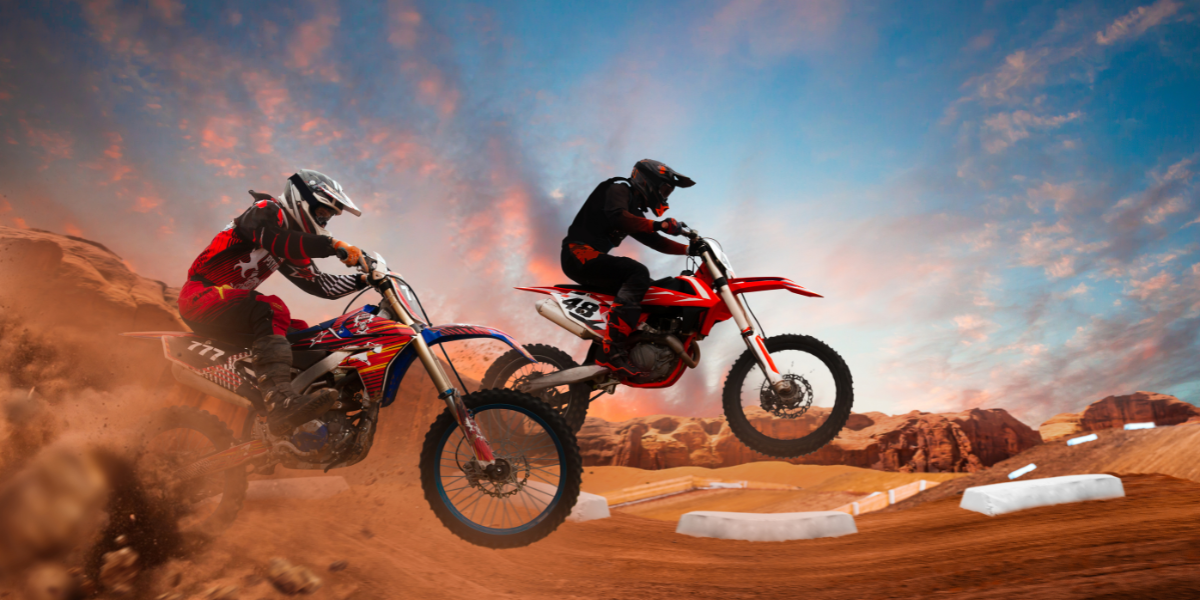
Posted on Leave a comment

How to Choose the Best Motocross Outfit

motocross outfit

Introduction: The Starting Gate Awaits

You can hear the engines revving in the staging area. The smell of race gas and dirt hangs in the air. Stepping onto a motocross track for the first time is an adrenaline rush like absolutely no other. But before you swing a leg over your bike and twist that throttle, there is one thing that matters even more than your bike’s horsepower or your suspension setup: your motocross outfit.

In a sport where high-speed velocity meets hard-packed dirt, jagged rocks, and inevitable spills, your gear is literally your second skin. You aren’t just buying clothes; you are investing in a wearable insurance policy.

Choosing the right motocross gear isn’t just about looking like a factory pro in the pits—it’s about uncompromising safety, fluid mobility, and brutal endurance. Whether you are a weekend warrior searching for a rugged motocross outfit for men, a specialized motocross outfit for women, or a highly protective youth motocross outfit for the next generation of racers, this comprehensive guide will walk you through exactly what you need to know to gear up correctly.

“In motocross, you don’t dress for the ride. You dress for the crash. But when you wear the right gear, you stop worrying about the crash and start focusing on the win.”

What Is a Complete Motocross Outfit?

complete motocross outfit

If you are new to the sport, you might wonder why dirt bike riders look like brightly colored gladiators. A complete motocross outfit is a highly specialized, engineered system of clothing designed to handle the most extreme physical demands of off-road riding.

Unlike standard street motorcycle gear, which is built entirely around heavy leather abrasion resistance for sliding on pavement, motocross apparel is built for a completely different environment. Dirt biking requires impact protection, constant cardiovascular exertion, and aggressive body movement. You are constantly transitioning from sitting to standing, leaning the bike beneath you, and absorbing massive impacts.

A standard, race-ready setup includes:

  • A lightweight, moisture-wicking jersey.
  • Heavy-duty, abrasion-resistant pants (often sold together as a motocross jersey and pants combo).
  • Thin, highly tactile motocross gloves.
  • Impact-resistant motocross goggles.
  • The “Hard Parts”: DOT/ECE certified helmet, chest protector (roost deflector), knee braces/guards, and reinforced motocross boots.

The Essential Elements of a Motocross Outfit

Streetwear motocross

When we talk about the core motocross apparel, we are looking at the soft layers that sit closest to your body and interact directly with the motorcycle. Every single stitch, panel, and material choice serves a specific purpose.

  1. The Base Layer (Comfort): This is how your gear handles the buckets of sweat you will produce. Good gear pulls moisture away from the skin.
  2. The Articulation Points (Mobility): Dirt biking requires extreme flexibility. Modern gear uses strategic stretch panels so your clothing moves with you, rather than fighting against you.
  3. The Armor Zones (Protection): Areas like the knees, elbows, and outer thighs take the most abuse from crashes and the bike itself, requiring heavily reinforced fabrics.

Why Quality Gear Actually Improves Performance

motocross Quality Gear

It’s a very common misconception that your gear is just a passive “shield.” The truth? High-quality motocross gear actively makes you a faster, better rider. When your body isn’t fighting your equipment, you can focus 100% of your mental energy on the track ahead.

  • Massive Weight Reduction: In a 30-minute moto, every single ounce matters. Premium materials are significantly lighter. Less weight dragging on your shoulders and legs means reduced fatigue, allowing you to ride harder, longer.
  • The “Rider Attack Position” (RAP): High-end gear is tailored specifically for the riding posture. Pre-curved knees and articulated shoulders allow you to move from a sitting to a standing position effortlessly without the fabric bunching up or pulling.
  • Critical Temperature Control: Motocross is one of the most physically demanding sports on earth. Advanced laser-cut ventilation forces cool air into your core and exhausts hot air out of the back. This keeps your core temperature down, preventing the dangerous “brain fog” that leads to late-braking mistakes and crashes.

“Fatigue makes cowards of us all. Keep your body cool with ventilated gear, and you’ll find seconds on the track you didn’t know you had.”

The Motocross Jersey: Breathability and Comfort

maillot nologo(motocross jersey)

The motocross jersey is the most visible, vibrant part of your kit. It’s where you show off your style, your sponsors, and your personality. While a thin layer of fabric provides minimal impact protection, its primary roles on the track are aggressive sweat management, preventing sunburn, and keeping dirt out of your pores.

What to look for:

  • Advanced Materials: Say goodbye to heavy cotton. Look for 100% moisture-wicking synthetic polyester or advanced micro-mesh panels. These technical fabrics pull sweat off your skin and dry almost instantly in the wind.
  • The Perfect Fit: Your jersey should be cut with an “athletic fit.” It needs to be loose enough to comfortably fit your chest protector or body armor underneath, but snug enough so that it doesn’t flap wildly in the wind and create aerodynamic drag at 50 mph.
  • The Drop Tail Design: Always check the back hem of the jersey. A quality racing jersey features a “drop tail”—meaning the back is cut a few inches longer than the front. This crucial feature ensures your jersey stays firmly tucked into your pants, even when you are hanging off the back of the bike through deep whoops.

👉 Check out our detailed guide: How to Choose the Best Motocross Jersey

The Motocross Pants: Protection and Durability

If the jersey is the flashy sports car, the motocross pants are the heavy-duty tank. Your pants do the absolute heavy lifting of your motocross outfit. They are constantly subjected to searing engine heat, relentless friction against the bike’s grip tape, and the violent abrasion of sliding across hard-packed dirt.

motocross pants

Key Features of High-End Pants:

  • 600D to 900D Polyester: The chassis of the pant should be built from high-denier polyester. This incredibly tough, woven fabric resists tearing when you clip a tree branch or slide out in a gravel corner.
  • Genuine Leather Inner Knees: This is the hallmark of true motocross pants. Exhaust pipes reach hundreds of degrees. Quality pants use heat-resistant cowhide leather panels on the inner knees to prevent the fabric from melting. More importantly, this leather provides unparalleled friction, allowing you to literally squeeze the bike frame with your knees for better control through jumps and corners.
  • 4-Way Stretch Panels: Riding pants used to be stiff and uncomfortable. Today, the best brands use elastic “accordion” stretch panels above the knees, at the crotch, and at the lower back. This gives you maximum range of motion so you can throw your leg out for a tight corner without restriction.

👉 Consult our Ultimate Guide to Choosing Motocross Pants

Motocross Goggles: Vision and Safety

Motocross Goggle

You can’t ride what you can’t see. A 450cc dirt bike kicking up a wall of dirt at 60 mph is a terrifying thing if your eyes aren’t protected. Motocross goggles do much more than just block the wind; they are vital safety equipment that protects your eyes from blinding dust, thick mud, and high-velocity rocks (“roost”) kicked up by the rear tires of the riders in front of you.

  • Lens Technology: Polycarbonate lenses that are shatter-resistant are non-negotiable. Additionally, anti-fog coatings are essential to keep your vision clear when you are breathing heavily on a cold morning.
  • Sweat Management: Look for goggles with dual-layer or triple-layer face foam. The layer closest to your face acts as a sponge, pulling sweat away from your forehead before it can drip into your eyes and blind you mid-jump.
  • Tear-offs vs. Roll-offs: If you race in wet, muddy conditions, your goggles must be compatible with vision-clearing systems. Tear-offs are thin stacks of clear plastic you rip off when they get muddy. Roll-offs use a canister of clear film that you pull across the lens for a fresh view.

Motocross Gloves: Grip and Control

gants motocross(motocross gloves)

There is a massive difference between street riding gloves and dirt riding gloves. Motocross gloves are remarkably thin, lightweight, and minimalist. To a beginner, they might seem too thin, but this design is highly intentional.

When you are navigating a deeply rutted track, you need to feel the exact vibration of the engine and the micro-millimeter pull of the hydraulic clutch lever. Thick gloves cause you to lose that tactile feedback, which leads to over-gripping the handlebars. Over-gripping causes “Arm Pump” (severe forearm cramping) and painful blisters.

  • The Clarino Palm: The best gloves feature a single-layer Clarino (synthetic leather) palm. It provides an aggressive grip on rubber grips without bunching up and causing friction blisters.
  • Silicone Grippers: Look for silicone printing on the index and middle fingers. This provides a non-slip grip on your clutch and brake levers, even when your hands are covered in wet mud.
  • Knuckle Protection: While keeping the glove light is key, look for flexible TPR (Thermoplastic Rubber) inserts across the knuckles to deflect branches and flying roost without restricting your finger movement.

“Your hands are your direct connection to the machine. If your gloves bunch up, your ride is ruined. Keep them thin, keep them tight.”

👉 Discover our full Motocross Gloves Comparison (Skin vs. Glory) and Size Guide


How to Choose the Right Motocross Outfit for You

Choosing the right outfit depends heavily on your specific needs, budget, and riding style:

Rider ProfileWhat to Prioritize in Your Outfit
For BeginnersFocus on Durability and Value. You will likely fall and tip over more often. Look for “over-built” pants with thicker fabrics that forgive mistakes and resist tearing.
For RacersFocus on Lightweight Mobility. Prioritize an “Athletic Fit” that sits closer to the body, utilizing maximum stretch panels and laser-cut ventilation for high-speed aerodynamics.
For KidsFocus on Padded Protection. A youth motocross outfit should always include slightly more padding and leave room for bulky chest protectors, as younger riders have less muscle mass to absorb impacts.

Conclusion: Upgrade Your Armor

At the end of the day, investing in a high-quality motocross outfit is an investment in your riding future. Trying to save a few bucks by wearing cheap, fragile gear or standard street clothes will only lead to ruined weekends, torn fabrics, and painful injuries.

When you slide into a moisture-wicking jersey, buckle up a pair of indestructible leather-kneed pants, and snap your goggles over your helmet, something psychological happens. When you feel completely protected and physically comfortable, your confidence skyrockets. And in the world of motocross, confidence is the ultimate key to unlocking your true speed.

Don’t let cheap, poorly fitting gear hold you back on the track or the trails.

🛒 Take Action: Gear Up at No Logo Racing

Whether you are looking for the pure track performance of our Skin Series, the urban streetwear vibes of our Glory Series, or a full race-ready kit, we have exactly what you need.

👉 Explore our complete collection of Motocross Gear and dominate the track today!

Posted on Leave a comment

How to Choose the Best Motocross Goggles

Comment Choisir le Meilleur Masque Motocross

Whether you are hitting a professional track or tearing up local trails, your vision is your most important asset. In the high-octane world of dirt biking, things move fast. Between the roost (dirt kicked up by other riders), hanging branches, and the blinding sun, your eyes are constantly under attack.

Choosing the best motocross goggles isn’t just about looking cool—though that’s a nice bonus—it’s about safety, performance, and comfort.

What Are Motocross Goggles?

At first glance, motocross goggles might look like ski goggles, but they are engineered for a completely different set of challenges. While ski goggles focus on cold and glare, motocross riding gear are built to handle heat, sweat, dust, and high-velocity impacts.

Why Motocross Goggles Are Essential for Riders

If you’ve ever caught a stone to the face at 40 mph, you know why protection matters. However, the benefits go beyond just impact resistance:

  • Debris Protection: They stop dirt, mud, and insects from entering your eyes.
  • Wind Reduction: High speeds can cause your eyes to water, blurring your vision. Goggles block the wind.
  • UV Protection: Long days in the sun can cause eye fatigue and permanent damage.

Key Features to Look for in Motocross Goggles

When browsing brands like 100% Racing, Fox Racing, or Oakley, keep these technical features in mind:

  • Field of View (FOV): You want the widest lens possible. A larger FOV allows you to see riders in your periphery without turning your head.
  • Foam Density: Look for triple-layer face foam. The layer against your skin should be soft and moisture-wicking to keep sweat out of your eyes.
  • Ventilation: Good MX goggles feature ports that allow air to circulate, preventing the lens from fogging up during intense motos.
  • Strap Grip: Ensure the strap has a silicone bead on the inside so it doesn’t slide off your helmet.

Ready to see the track clearly?

Shop No Logo Motocross Goggles Here

Lens Types and Visibility Explained

The lens is the “engine” of the goggle. Depending on where you ride, you may need different types:

  • Clear Lenses: Best for low light, wooded areas, or night riding.
  • Mirrored/Tinted: Ideal for bright, sunny days to reduce glare.
  • Dual-Pane (Vented): These are essential for preventing fog in cold or humid conditions.
  • Tear-Offs vs. Roll-Offs: If you ride in mud, you need a system to clear your vision. Tear-offs are thin plastic sheets you pull off, while roll-offs use a canister system to pull a fresh film across the lens.

How Goggles Improve Safety and Performance

In motocross, “line choice” is everything. If you can’t see the texture of the dirt clearly, you can’t pick the fastest line. High-definition lenses, like those found in premium motocross apparel lines, enhance color and contrast. By reducing eye strain, you stay mentally sharp for longer, which directly translates to better lap times and fewer crashes.

Complete Your Motocross Outfit for Maximum Protection

Your goggles are just one piece of the puzzle. To be fully protected and comfortable, they must integrate seamlessly with the rest of your motocross outfit.

  • Motocross Jersey & Pants: A breathable motocross outfit keeps you cool, while the best motocross pants provide the grip needed to stay stable, allowing your head and eyes to remain steady.
  • Motocross Gloves: You need tactile motocross gloves to feel the controls, but they also help you easily grab a tear-off tab when your vision gets obscured.
  • Le Casque : VérifiezThe Helmet Connection: Ensure your goggles fit snugly within the eye port of your helmet.
    toujours que la forme du masque épouse bien l’ouverture de votre casque pour éviter de laisser passer l’air ou la poussière.

How to Maintain and Clean Your Motocross Goggles

If you want your gear to last, you need to know how to clean motocross goggles properly.

  1. Remove the Lens: If possible, take the lens out of the frame.
  2. Wash the Frame: Use warm soapy water to clean sweat out of the foam.
  3. Clean the Lens: Use a dedicated lens cleaner or mild soap. Never use a paper towel—it will scratch the plastic. Use a microfiber cloth.

Conclusion

Investing in the right motocross goggles is an investment in your safety. By choosing a pair with great ventilation, a wide field of view, and the right lens for your environment, you’ll ride faster and with more confidence. Don’t forget to pair them with a high-quality motocross jersey and motocross pants to complete your setup.

Complete your setup.

Shop premium motocross gear at No Logo Racing

Posted on Leave a comment

How to Choose the Best Motocross Jersey

Comment Choisir le Meilleur Maillot Motocross

Whether you are hitting the local track for the first time or you are a seasoned pro carving through deep ruts, your gear matters. Among all your equipment, the motocross jersey is perhaps the most underrated piece of kit.

It’s not just a billboard for sponsors or a way to look cool in photos; it is a technical garment designed to keep you cool, protected, and moving freely.

In this guide, we will break down everything you need to know about choosing the perfect MX jersey to ensure your next ride is comfortable and stylish.

What Is a Motocross Jersey?

At first glance, a dirt bike jersey might look like a standard long-sleeve t-shirt with loud graphics. However, it is a highly engineered piece of motocross apparel.

Unlike a cotton shirt, which absorbs sweat and becomes heavy and chafing, a motocross riding jersey is designed to handle the extreme physical demands of off-road riding.

Its primary jobs are:

  • Moisture Management: Wicking sweat away from your skin.
  • Protection: Providing a light barrier against roost (dirt kicked up by other bikes), branches, and UV rays.
  • Mobility: Allowing a full range of motion for your arms and torso.

What Are Motocross Jerseys Made Of?

Modern motocross gear has come a long way from the heavy, itchy fabrics of the past. Today, jerseys are almost exclusively made from advanced synthetic materials.

  1. Polyester: The backbone of most jerseys. It is durable, holds vibrant colors well, and doesn’t shrink.
  2. Moisture-Wicking Fabrics: Specialized weaves that pull sweat to the outer surface of the fabric so it can evaporate quickly.
  3. Mesh Paneling: Large-hole mesh is often placed under the arms or down the back to maximize airflow.
  4. Lycra/Spandex Blends: Used in the collar and cuffs to ensure the jersey stays in place without being restrictive.

Why a Quality Motocross Jersey Improves Performance

You might wonder: “Can a shirt really make me faster?” Indirectly, yes.

When you are racing, heat is your enemy. As your core temperature rises, your focus drops and fatigue sets in. A high-quality, breathable motocross jersey keeps your temperature regulated. Furthermore, a jersey that fits correctly prevents “arm pump” caused by restrictive sleeves and ensures that your movements aren’t snagged on your bike’s controls.

Design, Fit, and Breathability Explained

When browsing for a racing jersey, you will generally encounter two types of fits:

  • Standard Fit: A bit looser, allowing room for body armor to be worn underneath the jersey. It’s great for recreational riders and those who prefer a traditional look.
  • Athletic/Race Fit: These are tighter and made with stretchier materials. They are designed to be aerodynamic and reduce flapping at high speeds.

Breathability is the most critical factor. Look for “laser-cut” ventilation holes or mesh zones. If you ride in hot climates, a fully vented mesh jersey is a lifesaver. If you ride in woods or colder areas, a more solid polyester weave will offer better durability against thorns and wind chill.

Custom Motocross Jersey Options

For teams or riders who want to stand out, a custom motocross jersey is the way to go. Most manufacturers now offer sublimation printing. Unlike screen printing, which can feel heavy and block airflow, sublimation dyes the fabric directly. This means your logos and name won’t peel, fade, or crack, and the jersey remains just as breathable as a blank one.

Visual Guide for Selection: Key Features

Before you worry about your size, you need to know what makes a great jersey. When looking at product images online, check for these specific design elements that guarantee a comfortable ride:

Feature to Look ForWhat It Looks LikeWhy it Matters on the Track
Drop Tail DesignAn extended rear hem.Keeps the jersey securely tucked into your motocross pants when sitting or standing.
Vented Mesh ZonesTiny perforated holes under arms or on the back.Essential for maximum airflow and core cooling during long motos.
Tagless NeckHeat-transfer labels printed on the fabric.Prevents annoying irritation and scratching on the back of your neck.
Sublimated GraphicsBright designs dyed directly into the fabric.Keeps your motocross outfit looking vibrant without fading or cracking after muddy washes.
Cuff DesignElastic or tapered wrists.Prevents the sleeves from sliding up your forearms and causing “arm pump.”


Motocross Jersey Size Guide Explained

Finding the right size is the biggest challenge for online shoppers. Most MX jersey brands follow standard sizing (S, M, L, XL, XXL), but because they are designed to be worn with protection, the “true” size can be tricky.

To take the guesswork out of buying, No Logo Racing provides an exact measurement chart. Grab a tape measure and a t-shirt that currently fits you well, and measure these three points:

  • A (Chest Width): Under the armpits across the chest.
  • B (Total Length): From the top of the collar to the bottom hem.
  • C (Sleeve Length): From the shoulder seam to the wrist cuff.

The Official Size Chart (Dimensions in CM):

Size / AgeA (Chest Width)B (Length)C (Sleeve)
YXS – 4/6364744
YS – 6/83951,549
YM – 8/10425554
YL – 10/1244,55960
S (Adult)496769
M (Adult)517172
L (Adult)527374
XL (Adult)54,576,577
XXL (Adult)578080

Pro Tip: This chart is a general guide to help you find the best fit. If you wear a bulky hard-shell chest protector UNDER your jersey, always choose one size larger!

How to Choose the Right Size and Fit

  1. Measure with Armor: If you wear a chest protector under your jersey, take your measurements while wearing it. If you wear armor over the jersey, measure your body normally.
  2. Check the Sleeve Length: When your arms are in the “attack position” (elbows up, gripping the bars), the sleeves should still reach your wrists.
  3. The “Tuck” Test: Ensure the jersey is long enough in the back. If it pops out of your pants the moment you sit down, you need a larger size or a “drop tail” design.

Complete Your Motocross Outfit for Maximum Performance

A jersey is only one part of the puzzle. To perform your best and stay safe, you need a cohesive motocross outfit.

  • Motocross Pants: These should match your jersey but are made of much heavier, abrasion-resistant materials with leather inner knees for grip.
  • Motocross Gloves: Look for a pair that offers a balance between “feel” on the grips and protection for your knuckles.
  • Motocross Goggles: Essential for vision. Ensure the foam on the goggles sits comfortably against your face without being pushed down by your helmet.

Conclusion

Choosing the right motocross jersey is a balance of style, comfort, and technical features. By prioritizing moisture-wicking materials, the correct fit for your body armor, and proper ventilation, you ensure that your gear works with you rather than against you.


Whether you go for a “ready-to-wear” design or a custom motocross jersey, the right choice will keep you cool and confident on the track. Now that you know what to look for, you’re ready to gear up and twist the throttle!