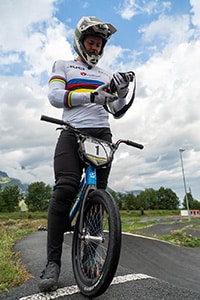
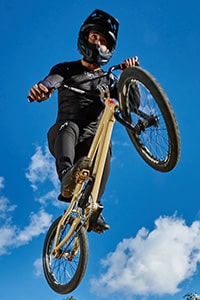
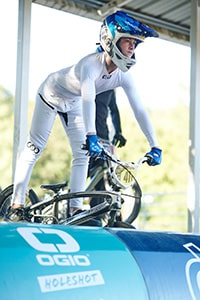
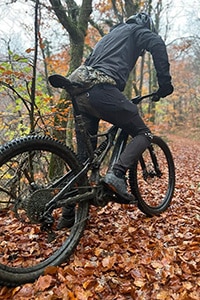
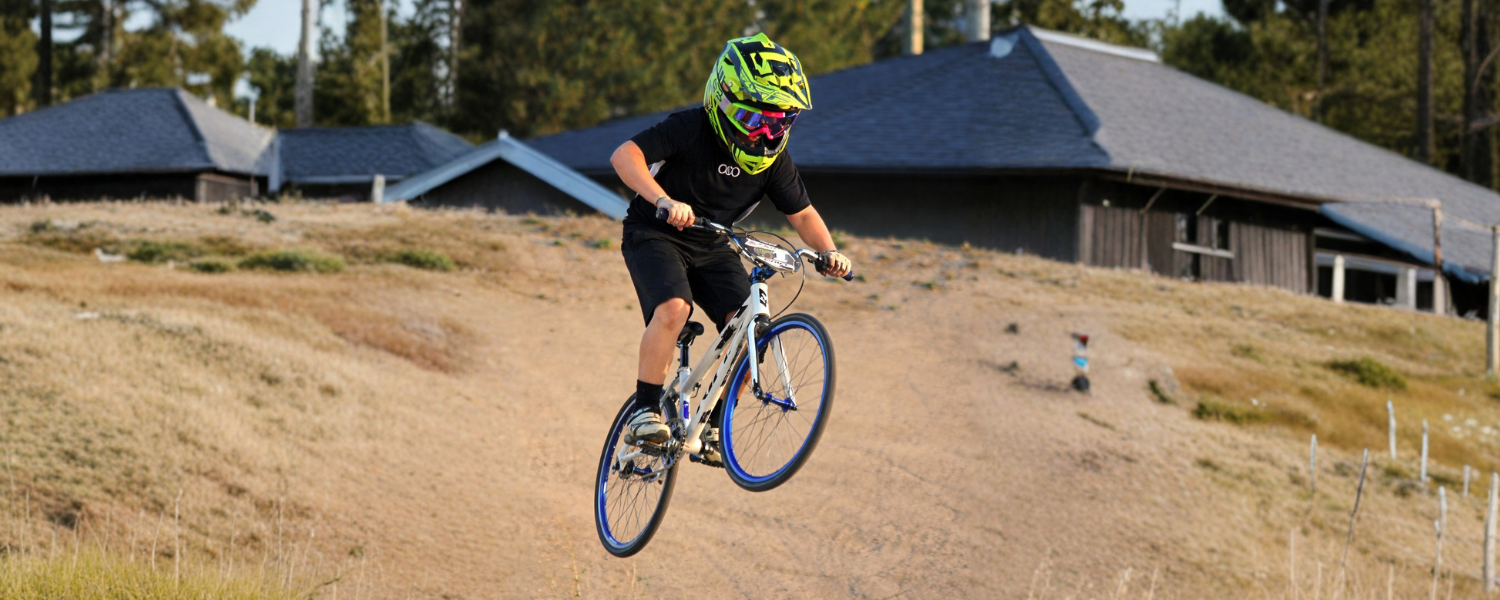
You found the perfect pants. The colour, the price, the fit — everything checks out. Then you hesitate between M and L, order on a guess, and they arrive too tight across the hips. This guide exists so that never happens again.
Choosing the right BMX pants size or MTB pants size is not the same as buying a pair of jeans. Race pants have a technical cut designed for pedalling, jumping, and riding in a low position. A poorly fitted pair can restrict your movement, create dangerous bunching near the drivetrain, or simply hold you back on the track.
In this guide, you will find the three measurements to take, the official NOLOGO size chart, and specific rules depending on your discipline BMX racing, mountain biking / MTB, or motocross MX.
Why your jeans size doesn’t work here
This is the most common mistake riders make when ordering online. Your size 32 jeans have no direct connection to a size M or L race pant. The reasons are straightforward:
BMX pants are built for a full knee bend in a sprint position.
MTB pants include reinforced zones at the knees and hips that change the overall fit.
MX pants are cut high-waisted to stay in place during a crash comparing them to jeans is simply not possible.
The good news: three measurements are all you need to find your size with confidence.
The three measurements to take
1. Waist circumference
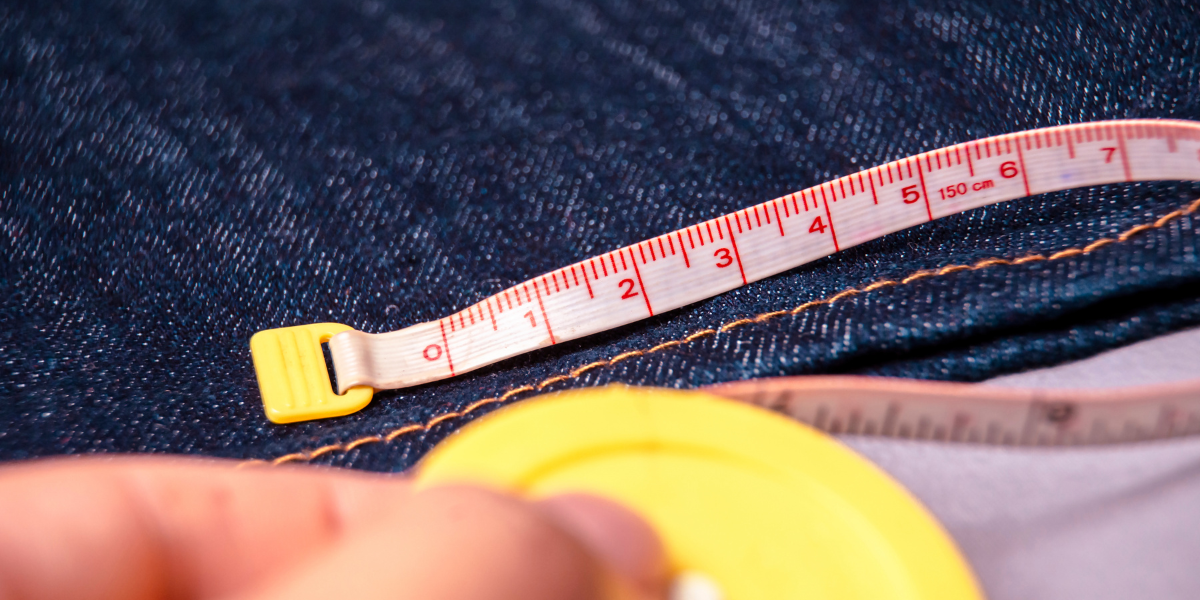
Wrap a soft measuring tape around your natural waist, just above the hips. Stand straight, breathe normally — no sucking in. Note the figure in centimetres.
2. Hip circumference (priority measurement)
Wrap the tape around the widest part of your hips and seat, roughly 20 to 25 cm below the waist. This is the most important measurement. It determines whether you can actually get the pants on and pedal without tension. When in doubt between two sizes, always let the hip measurement decide.
3. Inseam length
Measure from the crotch to the ankle with your leg slightly bent. This prevents two classic mistakes: pants that are too long and brush against the chain, and pants that are too short and pull behind the knee when you’re in a low position.
Practical tip: Take your measurements wearing the same layer you’ll ride in. If you wear padded shorts underneath, measure with them on — the numbers change.
BMX and MTB Pants Size Chart NOLOGO Racing
The chart below corresponds to official NOLOGO sizes. All measurements are in centimetres. When a measurement falls between two sizes, always go with the larger one.
Size
Waist
Hips
Inseam
Age guide
XS
58 – 62 cm
68 – 72 cm
58 – 62 cm
5 – 7 years
S youth
62 – 66 cm
72 – 76 cm
62 – 66 cm
7 – 9 years
M youth
66 – 70 cm
76 – 80 cm
66 – 70 cm
9 – 11 years
L youth
70 – 76 cm
80 – 86 cm
70 – 76 cm
11 – 13 years
XL youth
76 – 82 cm
86 – 92 cm
76 – 82 cm
13 – 15 years
S adult
76 – 80 cm
86 – 92 cm
76 – 80 cm
—
M adult
80 – 86 cm
92 – 98 cm
80 – 84 cm
—
L adult
86 – 92 cm
98 – 104 cm
82 – 86 cm
—
XL adult
92 – 100 cm
104 – 112 cm
84 – 88 cm
—
XXL adult
100 – 108 cm
112 – 120 cm
86 – 90 cm
—
BMX, MTB or MX: the cut makes all the difference
BMX Racing Pants
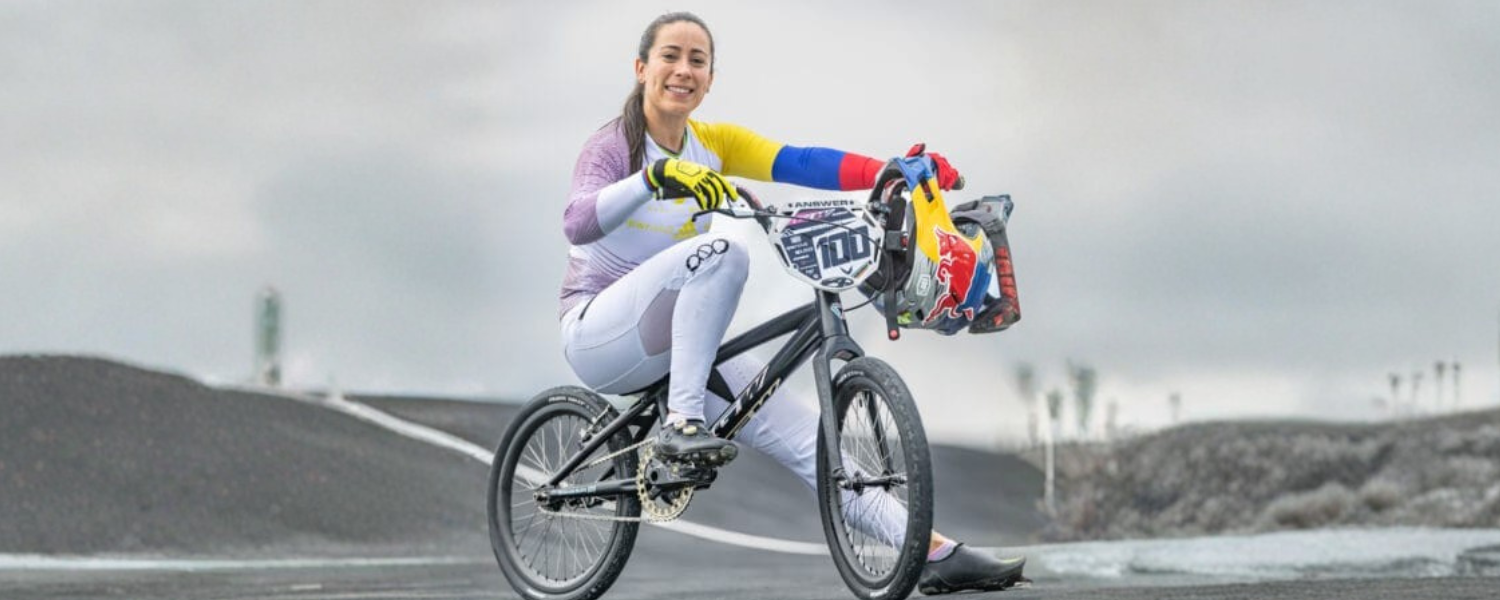
The BMX cut is the most tapered in the range. Legs narrow from the knee down to eliminate any risk of snagging on the chainring or chain out of the gate. If you are between two sizes, prioritise comfort around the crotch — that is the area under the most stress during a sprint.
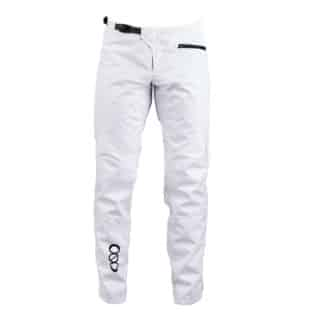
NOLOGO BMX Pants 2026
Tapered cut, lightweight fabric, available in Black, Red, White and Blue. Sizes XS to XXL adult.
The MTB cut is slightly more relaxed across the hips to allow a full range of motion on descents and climbs. If you plan to wear padded shorts underneath, go up half a size — the extra layer compresses the hips and changes how the size feels.
MX pants are cut high-waisted with a thick 600-denier fabric. If you wear a jacket or vest underneath, take your measurements with it on — layering frequently bumps you up a full size. When in doubt, always size up: MX pants that are too tight in the thighs are uncomfortable and unsafe in a crash.
NOLOGO MX Pants
600D abrasion-resistant fabric, high waist, generous cut. Available in several colourways.
Sizing up a child is a slightly different exercise. Here are the three rules to know before you order.
Never order by age alone
The age references in the chart are guidelines only. A 10-year-old can easily wear an 8-year or 12-year size depending on their build. Always take real measurements hip circumference and inseam before choosing.
Allow 3 cm of room in the inseam
Legs grow faster than the rest of the body. Ordering with 3 cm of extra inseam length means the pants will fit perfectly by mid-season without needing to be replaced.
The ankle must always be clear in BMX
On a BMX track, fabric that brushes the ankle or drags on the ground is a direct snagging hazard in the drivetrain. This is not a style point — it is a safety rule. The ankle must be completely clear, without exception.
Key rule: For kids’ motocross pants, ask your child to squat fully before confirming the size. That is the recovery position after a crash if the fabric pulls tight, go up a size.
5 checks before you place your order
I have measured my hip circumference, not just my waist.
I have compared my inseam length against the product page data — not against a pair of jeans.
I know what I will wear underneath (padded shorts, bib shorts, nothing) and have adjusted my size accordingly.
For a child: I have allowed 3 cm of inseam room to last the full season.
When in doubt between two sizes, I chose the larger one. Pants that are too tight in the thighs cannot be fixed with a belt.
In summary
Three measurements, one size chart, and five quick checks that is all it takes to order your BMX or MTB pants with confidence. The right gear disappears into your riding. You stop noticing it the moment you get on the bike.
If you still have a question about your size after reading this guide, contact the NOLOGO team directly before ordering. We answer every sizing question no complicated returns.
And if you want pants in your club’s exact colours, the NOLOGO BY YOU configurator includes made-to-measure sizing.
If you’ve been racing BMX for more than a season, you already know the difference the best bmx pants can make. Not just for protection though that matters enormously but for how you move, how you feel on the gate, and honestly, how seriously you take yourself as a rider.
The problem? In 2026, the market for the best bmx pants is flooded. Every brand claims their model is the fastest, the lightest, and the most protective. In reality, most of them are selling you a giant logo more than a highly functional piece of equipment.
So let’s cut through the noise.
In this review, we’re putting the NOLOGO Racer at the center of the conversation. Because after testing them across dirt tracks, aggressive gate starts, and a handful of crashes that nobody wants to brag about, they’ve earned their spot. We’re going to break down exactly what to look for when buying the best bmx pants this season, how the NOLOGO model performs in real-world conditions, and who they are actually built for.
What Actually Makes the Best BMX Pants in 2026?
Before getting into the review, let’s establish what actually matters. Because what defines the “best” gear means different things depending on whether you’re racing Elite, Cruiser, or lining up with your kid on a local track Saturday morning.
Here are the four things that matter most:
Fit and freedom of movement. A pant that bunches behind the knee or pinches at the hip is going to cost you tenths of a second you can’t afford. BMX is explosive you need fabric that moves with you through a pump, a jump, and a tight turn.
Abrasion resistance where it counts. The inner knee, the seat panel, the calf. These are the places that hit the track first. Reinforced panels here aren’t a luxury; they are the entire point of wearing the best bmx pants.
Weight. The lighter the better, as long as it doesn’t compromise protection. Heavy gear holds moisture, slows you down, and feels like dead weight by your third moto.
Secure fit at the waist and ankle. Your gear shouldn’t be a distraction during a race. A proper ratchet closure at the waist and a tapered ankle keep everything locked in place so your focus stays 100% on the track.
NOLOGO Racer Full Review
The Philosophy First
NOLOGO Racing is a French brand built on one core idea: elite performance gear without the branding noise. No giant logos. No aggressive graphics competing for attention. Just clean, purposeful design that looks professional on the track without turning you into a walking billboard.
That minimalism isn’t a gimmick. It is a deliberate choice that shapes how these best bmx pants are designed from the color palette to the stitching choices and the cut of the fabric panels.
The Fit
The NOLOGO Racer is built on what the brand calls a race-fit cut. In practice, this means it is slim through the thigh, tapered aggressively below the knee, and features just enough room in the seat and hip to move explosively without restriction.
The first time you put them on, they feel snug. This is intentional. Once you’re on the bike, that snugness disappears. The 4-way stretch panels at the back of the knee and inner thigh do their job flawlessly, and the fabric shadows the exact movements of your leg.
The ankle taper is one of its strongest features. It’s tight enough that there is no loose material to catch on your chainring or cranks, but not so tight that you have to fight the fabric to pull them over your feet. It’s a small detail that makes a massive difference on race day.
Waist closure: The ratchet buckle system with side Velcro adjusters is precisely what you expect at this price point: reliable and locked-in. An internal silicone grip tape at the waistband stops the pants from riding down during aggressive gate starts.
The Materials
The outer shell is a blend of high-density nylon and polyester. It isn’t the thinnest fabric on the market, but it is genuinely lightweight in use. The key reinforcement areas (inner knee, seat panel, lower calf) utilize Cordura-grade material, giving you the abrasion resistance of much heavier gear without the weight penalty.
The inner lining is mesh-backed for moisture management. During a long race day in the summer heat, this is the difference between staying comfortable through four motos and feeling like you’re wearing a wet sleeping bag by the semi-finals.
The Protection
These are designed to be worn with external knee pads. The leg opening accommodates guards comfortably without squeezing or creating pressure points. The hip and seat padding is built directly into the garment, meaning you are protected from the very first run without needing to layer padded impact shorts underneath.
This is a crucial detail. Many modern options claiming to be the best bmx pants treat protection as an afterthought (featuring reinforced fabric, but lacking actual impact absorption on the hip). Here, the built-in padding is real, not just decorative
The Real-World Track Test
Specs on paper are great, but race gear is a tool. Here is how the NOLOGO Racer handled the three most critical phases of a race weekend.
1. The Gate Snap
The start is pure, violent acceleration. When you throw your weight forward and snap out of the gate, your gear cannot hold you back. The 4-way stretch panels on the upper thigh and crotch of the NOLOGO pants are perfectly mapped. There was zero pulling at the waist and zero restriction at the knee joint. They felt invisible.
2. The Rhythm Section
Pumping through a deep rhythm section requires constant, rapid bending of the knees and hips. Heavy outfits tend to bunch up behind the knee, causing hot spots and chafing. Because the Racer features a tailored, slim cut and mesh ventilation behind the knee, the fabric stayed flush against our leg pads without bunching up.
3. The Washout (Durability)
We didn’t plan on crash-testing them, but sliding out on a dusty, flat berm at speed is part of racing. The outer hip and inner knee took the brunt of the slide against hard-packed dirt and gravel.
The result? Cordura-grade panels held up beautifully. No tears, no frayed seams, just a little dust that washed right out. The triple-reinforced stitching at the stress points remained perfectly intact. Wash them cold, hang them to dry, and they will easily last you two or three full seasons.
🛒 SHOP THE NOLOGO RACER
The best BMX pants for the Privateer racer.
Available in Black, White, Blue, and Red all featuring the exact same elite race-fit construction.
Let’s be direct, because not every piece of gear is right for every rider.
The NOLOGO Racer is ideal for:
Competitive amateur and expert-level riders who want true race-grade equipment.
Riders who prefer a clean, minimalist look on the track: no loud graphics, just clean lines that let your riding do the talking.
Anyone racing in Europe or the US who wants a tailored fit that aligns perfectly with an athletic body proportion.
Riders who push hard, crash occasionally, and want extreme durability without overpaying for a corporate logo.
They might not be for you if:
You are just getting into racing for the very first time and aren’t sure how committed you are yet. In that case, renting or buying a cheap entry-level option makes sense until you’re racing regularly.
You have a specific preference for heavily branded, flashy neon aesthetics.
NOLOGO BY YOU | Custom Team Kits
Looking for the best bmx pants and gear for your whole club? NOLOGO offers a full custom kit service called NOLOGO BY YOU.
This is where you design your team’s complete look jersey, pants, gloves using your own colors, club logos, and graphics. It is utilized by club teams across France and Europe, and the sublimation and customization quality is genuinely professional.
The pants are only part of the equation. Here is what pairs perfectly with the Racer for a complete, podium-ready setup:
BMX Race Jerseys: The NOLOGO jersey range is designed to match our pants perfectly in both cut and color. Lightweight, moisture-wicking, and ultra-breathable.
Final Verdict Are the NOLOGO Racers the Best BMX Pants in 2026?
Yes. Directly and without qualification.
NOLOGO Racer delivers an elite race-grade fit, genuine abrasion protection, smart material construction, and a clean aesthetic that holds up across multiple grueling seasons.
They hit the ultimate sweet spot for a serious rider who expects their gear to perform as hard as they do—without paying a premium for a brand name they don’t need. The absence of branding is exactly the point. On the track, your riding should speak for itself.
Mountain biking is a demanding discipline. Every ride confronts you with sharp rocks, slippery roots, thick mud, and branches whipping at your legs. In this environment, the gear you wear makes all the difference between a great ride and an avoidable injury.
MTB pants are much more than just clothing. They are active protection that absorbs impacts during crashes, guards your skin against abrasions, and allows you to ride with confidence on any terrain. Unlike regular pants, MTB pants are specifically designed to meet the mechanical and physical demands of mountain biking.
Wearing the right pants also means gaining comfort during long rides. Your leg muscles work intensely, and the right gear reduces fatigue, improves circulation, and allows you to focus on your technique rather than your aches and pains.
“Good MTB pants don’t just protect the rider; they also improve confidence and flow on the trails.”
The Role of MTB Pants in a Rider’s Gear Setup
A well-equipped rider thinks about every part of their body. A complete MTB gear setup includes the helmet, MTB jersey, MTB gloves, MTB goggles, and of course, MTB pants. Each piece plays a specific role, and pants are often the most heavily relied upon protection during a crash.
When you fall, it’s the knees and thighs that hit the ground first. Quality MTB pants feature strategic reinforcements in these exact areas, protecting vulnerable zones without restricting movement. They work in harmony with the knee pads you wear underneath, keeping them in place and adding an extra layer of external protection.
Nologo Racing Trail Ride Pants are an excellent example of this type of gear, designed for riders who take their safety seriously. With carefully selected materials and a cut optimized for mountain biking, they represent exactly what true trail pants should be.
“A complete MTB gear setup always starts with reliable protection, and pants are a core part of that.”
MTB apparel as a whole forms a cohesive protection system. Neglecting one piece creates a weak link in your overall defense. Unfortunately, pants are often mistakenly treated as that neglected link.
Characteristics of Great MTB Pants
How do you spot high-quality MTB pants? Several technical criteria distinguish true trail pants from basic sportswear dressed up for mountain biking.
Abrasion resistance
It is the first feature to look for. The materials used must withstand contact with rocks, dirt, and branches without tearing instantly. Reinforced technical fabrics, often high-density nylon or polyester, provide this durability while remaining lightweight.
Stretch panels
They are essential for freedom of movement. Pedaling, jumping, and standing up on the pedals during a descent all require a wide range of motion. Elastic extension zones, usually placed behind the knees and at the groin, allow for these movements without restriction.
Breathable zones
It prevent overheating. Sealed, non-breathable pants quickly turn your legs into a sauna during climbs. Mesh panels or perforated constructions on the thighs and calves allow for efficient ventilation.
Knee reinforcements
There are critical, as they take the most abuse. Some pants feature pockets for inserting armor, while others have reinforcements sewn directly into the fabric. Both approaches have their benefits depending on the level of protection you need.
Mountain biking encompasses a highly diverse family of disciplines, and each style has its own gear requirements. MTB pants are no exception.
Trail MTB pants
The ultimate versatile model. Designed for riders who alternate between climbs and descents, they prioritize a balance of lightweight feel, breathability, and moderate protection. This is the ideal choice for forest rides or varied singletracks. MTB trail pants of this type are perfect for riders seeking one pair of pants for all situations.
Enduro MTB pants
They are a more robust version, built for technical descents and race days. Enduro MTB pant offer reinforced protection at the knees and hips, using materials highly resistant to impacts and abrasions. Yet, they remain comfortable enough for long days of riding involving chairlifts or shuttles. Nologo Racing Enduro MTB Pants perfectly embody this category with a construction designed for the most demanding terrain.
DH (Downhill) MTB pants
It offer the maximum level of protection. DH MTB pants are designed for high-speed descents on extremely technical tracks. They are generally thicker, with integrated reinforcements in multiple areas. MTB downhill pants prioritize protection over maximum weight savings, which makes sense given the speeds and risks involved in this discipline.
“Every MTB discipline demands a different level of protection and flexibility.”
All-Mountain MTB pants sit between trail and enduro, offering serious protection without completely sacrificing a lightweight feel. This is often the best compromise for riders tackling varied terrain without specializing in just one discipline.
Breathability and Comfort During Long Rides
A day of mountain biking can last several hours. Temperatures rise, sweat accumulates, and poorly designed pants can quickly become sheer torture. Breathability is therefore a criterion of comfort as much as performance.
The best MTB pants use technical fabrics that actively wick sweat away. These materials, often described as “moisture-wicking,” transport moisture from the skin to the surface of the fabric where it can evaporate. The result: you stay drier and more comfortable even during intense efforts.
Ventilated panels, often made of mesh, are strategically placed on high-heat zones: the back of the knees, the inner thighs, and the lower calves. This construction allows for optimal airflow without compromising protection where it’s needed.
Modern mountain biking clothing has made massive strides in this area. Riders in the 2000s often suffered from the thermal discomfort of their gear. Today’s MTB pants are capable of handling significant temperature swings, from long climbs under the blazing sun to fast descents in the cold shadows of the forest.
“When trails get longer and more technical, comfort becomes a key performance factor.”
This question comes up constantly in rider communities: should you choose pants or shorts for mountain biking? There is no universal answer, but a few criteria can guide your choice.
MTB pants clearly win out in several scenarios. On technical terrain with dense vegetation, branches, and brush, your legs are far better protected by pants. During fast descents, the risk of crashing often justifies the extra protection. In cool weather or at high altitudes, pants retain body heat and protect your joints from the cold.
MTB shorts, on the other hand, are preferred in hot weather for less technical cross-country rides. They offer maximum ventilation and a lightweight feel that is highly appreciated during long summer climbs. Many riders will wear shorts combined with removable protective knee pads to get the best of both worlds.
However, protective MTB pants remain the top choice for enduro and downhill, disciplines where protection takes precedence over weight.
“MTB pants are generally preferred for technical terrain where protection is essential.”
Nologo Racing Protective MTB Shorts offer a complete solution for riders who refuse to compromise between protection and comfort.
How to Choose the Best MTB Pants
Choosing your MTB pants requires evaluating several personal parameters. Here are the questions to ask yourself before buying:
What is your riding style? A versatile trail rider does not need the same level of protection as an enduro racer or DH rider. Clearly define your primary discipline to point yourself toward the right type of pants.
What weather conditions do you primarily ride in? If you frequently ride in cold, wet weather, prioritize a waterproof or water-repellent fabric. For summer rides, breathability should be your main focus. Some men’s MTB pants offer versions with waterproof membranes for regions with highly variable weather.
What level of protection do you need? If you already wear hard-shell knee pads, pants with dedicated roomy pockets will suffice. If you prefer an integrated system, opt for protective MTB pants with built-in reinforcements.
What is your budget? Entry-level pants offer basic protection, while premium models combine lightweight materials, durability, and advanced technologies. A good pair of MTB pants is an investment that will last several seasons if cared for properly.
“The best MTB pants are the ones that perfectly adapt to your riding style.”
Sizing, Fit, and Freedom of Movement
Poorly fitted MTB pants can ruin a ride. Too tight, and they restrict movement and create painful pressure points. Too loose, and they flap against the saddle, interfere with pedaling, and can even get caught in the bike’s drivetrain.
To find the right size, start by taking your measurements: waist, hips, and inseam. Compare these measurements with the manufacturer’s size guide, keeping in mind that cuts vary from brand to brand. MTB pants should be slightly roomier than everyday street pants to allow for the wide, sweeping motions of pedaling.
Check the stretch zones on the pants. The best models have elastic inserts in key areas: behind the knees, at the groin, and sometimes down the sides of the legs. These zones allow for maximum range of motion without the fabric pulling or tightening uncomfortably.
If you wear knee or hip pads under your pants, factor in that extra space. Always try the pants on with your protective gear to ensure everything fits seamlessly.
“Pants that are too tight restrict movement, while pants that are too baggy can interfere with pedaling.”
Care and Durability
Quality MTB pants represent a solid investment. Caring for them properly preserves their technical performance and allows you to enjoy them for multiple seasons.
Washing should be gentle. Use cold or lukewarm water (30°C maximum) with a mild detergent and absolutely no fabric softener. Fabric softeners clog the pores of technical fabrics and destroy their breathability. Wash the pants inside out to protect the reinforcements and treated areas.
Avoid excessive heat. Tumble dryers, irons, and direct exposure to intense sunlight for long periods degrade the technical fibers and DWR (Durable Water Repellent) coatings. High heat can also melt the waterproof treatments that protect certain pants.
Air dry them flat or hang them in a well-ventilated area away from direct sunlight. This method preserves the shape of the pants and the durability of the fabrics.
Store your pants clean and dry in a cool place. Residual moisture promotes the growth of bacteria and foul odors. For the same reason, avoid storing them in airtight plastic bags.
Conclusion
MTB pants are a centerpiece of your riding gear. Whether it’s men’s MTB pants, kids’ MTB pants to safely introduce younger riders to the trails, or enduro MTB pants for demanding competitors, choosing the right pair directly influences your experience on the dirt.
Protection, comfort, and durability are the three pillars of great mountain biking pants. By understanding your actual needs, your riding discipline, and your local trail conditions, you can make an informed choice that will serve you well for dozens if not hundreds of rides.
Modern MTB pants are the result of years of innovation and direct feedback from riders all over the world. Do not overlook this investment. Your safety, comfort, and pure enjoyment of the ride depend on it.
Mountain biking (MTB) is much more than just a sport. It’s a passion, a way to connect with nature, push your limits, and experience the thrill of the trails. Whether you are a beginner or an experienced rider, one thing remains true: your gear makes all the difference.
Among all the pieces of MTB apparels, the MTB jersey is undoubtedly one of the most important. It is in direct contact with your body throughout your entire ride. A good jersey helps you stay cool, manage your sweat, and stay focused on the trail. A bad choice, on the other hand, can make your ride uncomfortable or even exhausting.
“In mountain biking, staying cool and comfortable can mean the difference between enjoying the trail and cutting your ride short.”
The benefits of a good MTB jersey are numerous: optimal breathability to vent heat, efficient sweat management to keep you dry, and lasting comfort even on long rides. In this article, we will guide you step-by-step to choose the MTB jersey that perfectly matches your riding style.
What is an MTB Jersey?
Many beginner riders think a simple athletic t-shirt is enough for mountain biking. But there is a fundamental difference between a classic t-shirt and a true MTB jersey.
An MTB jersey is designed with technical fabrics specifically developed for high-intensity endurance sports. Unlike a cotton t-shirt that absorbs sweat and stays wet, a jersey is made from lightweight, breathable, and quick-drying materials.
Here are the main characteristics of a quality MTB jersey:
Technical fabric: Synthetic materials like technical polyester allow for excellent moisture-wicking.
Lightweight: An MTB jersey weighs very little, preventing any discomfort or drag while riding.
Ventilation: Mesh panels strategically placed in key areas (back, armpits, sides) promote airflow.
Quick-drying: Even after a grueling climb, the jersey dries rapidly to prevent that cold, damp feeling.
“A good MTB jersey is designed to move with the rider while keeping the body completely dry.”
These characteristics make the MTB jersey an essential piece of clothing for any serious rider, regardless of the discipline enduro, cross-country (XC), or downhill (DH).
Why an MTB Jersey Improves Performance
You might be wondering if a jersey really impacts your performance. The answer is yes, and significantly so.
Heat Management
During an intense ride, your body produces a massive amount of heat. A breathable MTB jersey vents this heat efficiently, helping you maintain a stable core body temperature.
Result: You can ride longer and harder without premature exhaustion.
Comfort on Long Rides
A comfortable jersey reduces distractions. When you aren’t dealing with chafing, irritation, or the feeling of being soaked in sweat, you can dedicate 100% of your focus to your line and your flow.
Better Mobility
MTB jerseys are tailored to accommodate the typical movements of a rider: the forward-leaning attack position, dynamic arm movements, and torso flex. This specific cut offers total freedom of movement, which is essential for technical trails.
“Experienced riders know that breathable gear keeps you focused and elevates your performance on technical trails.”
In short, a good MTB jersey doesn’t just dress you—it becomes an integral part of your performance.
MTB Jersey Materials
Material selection is at the heart of designing a great MTB jersey. Specialized brands invest heavily in developing high-performance fabrics. Here are the most commonly used materials:
Technical Polyester
This is the foundational material for the vast majority of MTB jerseys. Technical polyester is lightweight, durable, and possesses excellent moisture-wicking properties. It dries incredibly fast and holds its shape after countless washes.
Mesh Panels
Mesh panels are strategically placed on the hottest zones of the body—usually the back, armpits, and side panels. These areas allow for maximum ventilation and optimal airflow.
Breathable Fabric
Some jerseys utilize fabrics with advanced moisture-management technologies. These materials actively pull sweat away from the skin and force it to evaporate quickly on the outside.
“Modern fabrics used in MTB jerseys provide excellent ventilation, even during the most demanding climbs.”
When buying, always check the fabric composition. A solid jersey will be largely composed of technical polyester with mesh inserts in key ventilation zones.
One of the first choices you’ll make when buying an MTB jersey is the sleeve length. Each option has its advantages depending on the weather conditions and your riding style.
Short Sleeve MTB Jerseys
Short sleeve jerseys are ideal for summer rides, high-altitude trails under the blazing sun, or cross-country sessions. They offer maximum cooling and freedom of movement. This is the go-to choice for riders pushing hard in hot temperatures.
Long Sleeve MTB Jerseys
Long sleeve jerseys are perfect for autumn rides, dense forest trails, or aggressive disciplines that require specific enduro or custom DH gear. They protect your arms from scratches (branches, thorns), morning chills, and UV rays. Many riders also prefer them for safety reasons, as they offer a slight layer of extra protection in the event of a crash.
“Choosing between long and short sleeves primarily depends on the terrain, the weather, and your style of riding.”
Our advice: If you can only own one jersey, opt for a lightweight long-sleeve. It can be worn in almost any condition and offers the most versatility.
Custom MTB Jerseys
Custom MTB jerseys have skyrocketed in popularity in recent years, and it’s easy to see why. More and more riders, clubs, and race teams want to stand out on the trails with a unique jersey that reflects their identity.
Why choose a custom jersey?
Unique Design: You choose the colors, patterns, and style that fit your vibe. Whether you want a stealthy black jersey, a vibrant blue one, or flashy neon colors, anything is possible.
Team Identity: For riding clubs and race teams, a custom jersey builds cohesion and boosts visibility during competitions.
Personal Style: Many riders love expressing their personality through their gear. A custom jersey is the ultimate way to do it.
Customizing your MTB jersey doesn’t mean compromising on performance. High-quality custom jerseys use the exact same technical fabrics and athletic cuts as standard premium jerseys. You get the best of both worlds: elite style and elite performance.
“A custom MTB jersey allows riders to express their style while maintaining optimal performance.”
MTB apparel is now widely available for every type of rider. Whether you are a man, a woman, or looking to gear up your child, there is a jersey tailored perfectly to your body type.
Men’s MTB Jerseys
Men’s MTB jerseys are generally designed with a straight cut and a dropped tail (extra length in the back) to keep you covered while in the riding position. The shoulders are often broader to accommodate the male physique.
Women’s MTB Jerseys
Women’s MTB jerseys are tailored specifically for the female anatomy. The cut is more tapered around the waist and chest, offering a better fit and significantly more comfort. The sleeves and collar are also adjusted to prevent any restriction or bunching.
Kids’ MTB Jerseys
Kids’ MTB jerseys are built to let young shredders train and ride in the best possible conditions. Lightweight and breathable are the key factors here, with sizing that accommodates growing riders.
“A well-fitted jersey greatly improves comfort and allows riders to stay entirely focused on the trail.”
How to Choose the Right Size
Choosing the correct size is essential to getting the most out of your MTB jersey. A poorly fitted jersey can restrict your movement or cause serious discomfort.
Tips for choosing your size:
Use the size guide: Every brand provides a sizing chart based on chest, waist, and hip measurements. Do not rely solely on your standard t-shirt size, as athletic cuts vary wildly between brands.
Choose a cut adapted to your discipline: Enduro or DH riders often prefer a slightly looser fit to allow for dynamic movements and to comfortably wearbody armorunderneath.
Leave room for protection: If you wear elbow pads or a back protector, ensure the jersey is sized up enough to accommodate them comfortably.
“A jersey that is too tight restricts movement, while one that is too baggy can get in the way and snag during a ride.”
When in doubt between two sizes, always go with the larger one. Comfort on the bike should always take priority over aesthetics.
Conclusion
Choosing the right MTB jersey is a critical decision that directly impacts your comfort and performance on the trails. Whether you need a highly breathable jersey for summer heatwaves, a protective long-sleeve for technical descents, or a custom team jersey to stand out from the pack, the most important thing is finding a model suited to your riding discipline, body type, and local weather conditions.
Remember the key takeaways: look for quality materials (technical polyester, breathable mesh), a cut adapted to your body (men’s, women’s, or kids’), the right sleeve length for the season, and the correct size to guarantee total freedom of movement.
“Investing in a high-quality MTB jersey doesn’t just upgrade your comfort it elevates your entire riding experience.”
Don’t overlook your gear. On a technical trail, every single detail matters, and your MTB jersey is one of those details that makes the difference between an okay ride and an unforgettable one.
We use cookies to optimize our website and service.
Functional
Always active
Le stockage ou l’accès technique est strictement nécessaire dans la finalité d’intérêt légitime de permettre l’utilisation d’un service spécifique explicitement demandé par l’abonné ou l’utilisateur, ou dans le seul but d’effectuer la transmission d’une communication sur un réseau de communications électroniques.
Preferences
Le stockage ou l’accès technique est nécessaire dans la finalité d’intérêt légitime de stocker des préférences qui ne sont pas demandées par l’abonné ou l’utilisateur.
Statistics
Le stockage ou l’accès technique qui est utilisé exclusivement à des fins statistiques.Le stockage ou l’accès technique qui est utilisé exclusivement dans des finalités statistiques anonymes. En l’absence d’une assignation à comparaître, d’une conformité volontaire de la part de votre fournisseur d’accès à internet ou d’enregistrements supplémentaires provenant d’une tierce partie, les informations stockées ou extraites à cette seule fin ne peuvent généralement pas être utilisées pour vous identifier.
Marketing
Le stockage ou l’accès technique est nécessaire pour créer des profils d’utilisateurs afin d’envoyer des publicités, ou pour suivre l’utilisateur sur un site web ou sur plusieurs sites web ayant des finalités marketing similaires.