Posted on Leave a comment

Streetwear Motocross: The Ultimate Rider Style Guide
Streetwear motocross

Introduction: The Rise of “Moto-Core” Fashion

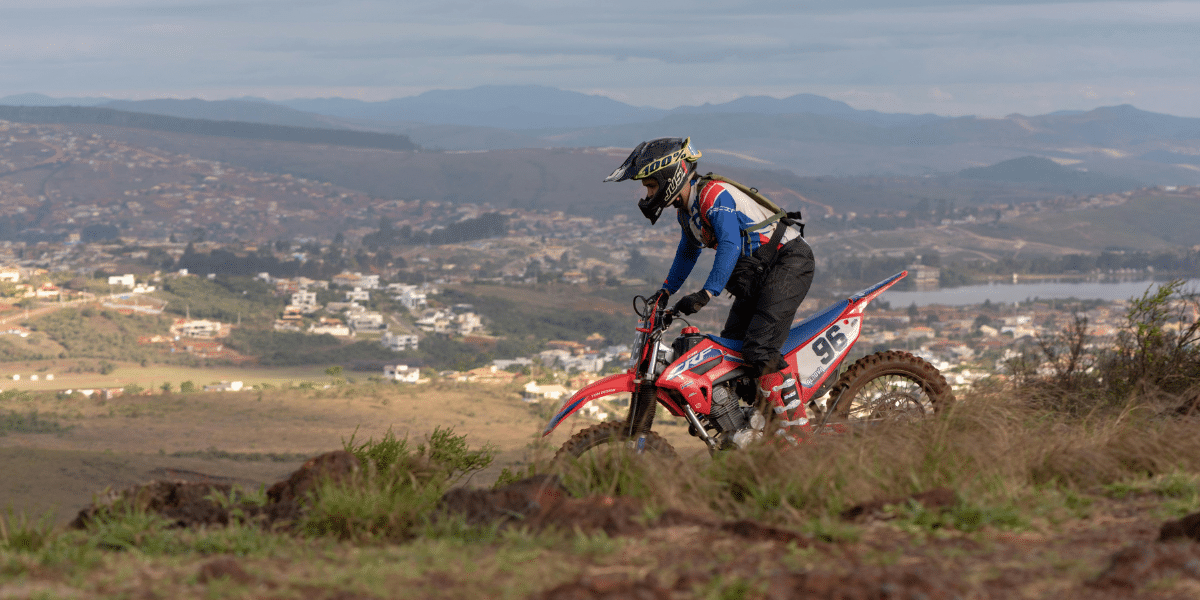
For decades, the world of motorsports was confined to the track. You put on your gear, raced, took it off, and went home. But something has shifted in recent years. The adrenaline, the grit, and the technical aesthetic of the track have bled into the streets. This is the rise of streetwear motocross.

It is no longer just about protection; it is about identity. Whether you are a die-hard rider or just a fan of the culture, the “Moto” look has become a staple in modern fashion. High-end designers are copying the look, but for authentic riders, this isn’t a costume—it’s a lifestyle.

It represents a community that values speed, durability, and freedom. In this guide, we explore how to seamlessly blend technical riding gear with your daily wardrobe to embody the rider spirit 24/7.

The Foundation: Styling Motocross Pants on the Street

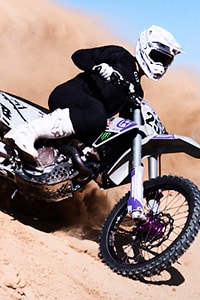
The most surprising crossover hit in the fashion world has been the motocross pants. Historically, these were stiff, heavy, and purely functional. However, modern textile advancements have changed the game.

Today, motocross pants are designed with 4-way stretch fabrics and tailored, tapered fits that rival high-end “tech-wear” trousers. Riders are realizing that the durability required to slide across asphalt makes these pants perfect for urban life.

  • The Look: To pull off the streetwear motocross vibe, pair neutral-colored riding pants (black, grey, or navy) with a crisp white tee and skate shoes (like Vans).
  • Utility: Beyond the look, the utility is unmatched. Zippered pockets, heat-resistant panels, and water-resistant coatings make them ideal for urban commuting, BMX street riding, or just hanging out in the pits. They are the ultimate cargo pant evolution.

The Jersey: From Race Track to Runway

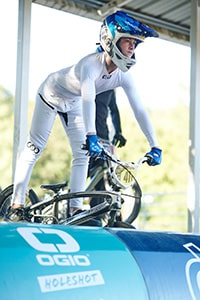
The motocross jersey is perhaps the most iconic piece of the rider’s wardrobe. In the 90s, the trend was baggy and loud. Today, the silhouette has slimmed down, but the statement remains the same.

Wearing a motocross jersey off the bike is a bold move, but it works when done right. The key is in the layering. A long-sleeve mesh jersey worn over a hoodie is a classic “skate-park” look that keeps you warm while showing off your colors.

  • Customization is Key: This is where the trend of the blank canvas comes in. Instead of wearing a jersey covered in corporate logos of companies that don’t pay you, riders are opting for clean, two-tone designs custom motocross jersey. This allows for personal expression—adding your own crew name or keeping it minimal for a mature, athletic look.

Youth Motocross Gear: The Next Generation of Style

Nowhere is the streetwear motocross trend more visible than in youth culture. Walk by any middle school or skate park, and you will see kids rocking the look. Youth motocross gear has transcended the sport to become a status symbol among peers.

For young riders, their gear is their superhero costume. They want to wear their motocross gloves while riding their bicycle to school. They want to wear their jersey to gym class.

  • Durability for Parents: For parents, this trend is a blessing. Youth motocross gear is built to withstand crashes at 40mph. It can certainly handle the playground. Buying high-quality, generic riding gear for kids ensures they have clothes that last longer than standard department store fashion, all while boosting their confidence.

Accessories: Gloves, Goggles, and Identity

Streetwear is often defined by the accessories, and the moto world has plenty to offer.

  • Motocross Gloves: These are no longer just for the track. In the city, where fixed-gear biking and e-bikes are booming, wearing high-tactility motocross gloves is a safety necessity that looks cool. They provide grip in the rain and protection if a car door opens on you.
  • Motocross Goggles: While you might not wear motocross goggles to the grocery store, they are the centerpiece of the “helmet selfie.” On the street, the aesthetic translates to oversized, mirrored sunglasses that mimic the goggle look. The strap hanging around the neck or resting on a beanie is a classic “post-ride” aesthetic that signals you just finished a session.

The Philosophy of “No Logo” in Streetwear

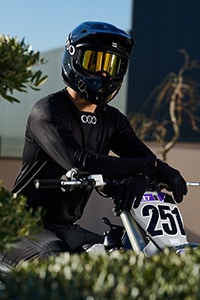
A massive shift in streetwear motocross is the move away from “Logomania.” In the early 2000s, the goal was to have the biggest brand name possible on your chest. In 2026, the luxury is in the anonymity.

Riders are tired of being billboards. There is a desire for “stealth” gear items that perform at a factory level but look clean enough to wear into a coffee shop. This “No Logo” philosophy aligns perfectly with modern streetwear trends, which favor silhouette and fabric quality over cheap branding. It allows the rider’s skill and personal style to be the focus, rather than the marketing budget of a conglomerate.

Transitions: From the Garage to the Bar

The ultimate goal of streetwear motocross is versatility. We all live busy lives. We might wrench on the bike in the morning, go for a ride at noon, and meet friends in the evening.

You need gear that transitions.

  • The Hoodie: A heavyweight, high-quality hoodie is the bridge between these worlds. It hides the dirt from the garage, keeps you warm after the sweat of the ride dries, and looks acceptable in social settings.
  • The Hat: Helmet hair is inevitable. A premium snapback or beanie is essential for the transition from “rider” to “civilian.”

Conclusion: Authenticity Wins

Ultimately, the streetwear motocross trend is about authenticity. You can buy the look at a fashion mall, but you can’t buy the vibe. That comes from the mud on your boots, the calluses on your hands, and the bike in your garage.

By choosing gear that is durable, stylish, and logo-free, you honor the culture of the sport. Whether you are rocking motocross pants on a night out or just wearing your favorite gloves to commute, you are keeping the spirit of the ride alive.

View Our Lifestyle Collection

Posted on Leave a comment

What is the Real Budget for Quality Motocross Gear?

Quel Budget Réel pour un Équipement de Motocross de Qualité

Let’s be honest: motocross is an expensive sport. Between bike maintenance, race licenses, track fees, and fuel, the bill adds up quickly. Faced with this reality, the temptation to drastically cut the budget allocated to your motocross gear is strong, especially for beginners.

However, this is a risky calculation. Conversely, thinking that you absolutely need to spend a fortune to be well-protected is a myth fueled by the aggressive marketing of big-name brands.

So, how should you allocate your budget to get properly equipped? Where should you prioritize spending for your safety, and where can you make smart savings without sacrificing quality? Here is the detailed analysis to build a high-performance kit.

1. Safety: The Non-Negotiable Investment

There is a “quality threshold” below which you should never descend. Your physical integrity depends on it. Since these are life-saving items, the focus should be on technical features rather than finding the cheapest option.

The Motocross Helmet: Aim for the “Mid-Range”

This is the first area of expenditure. It is wise to avoid entry-level injected plastic helmets found at rock-bottom prices. They are often heavy and can fatigue your neck muscles during long rides.

Instead, aim for the mid-range market. Look for helmets made of fiber or composite materials, which are much lighter and meet modern safety standards (like ECE 22.06 or DOT/Snell).

  • The Smart Choice: You don’t need the top-tier “Pro Replica” helmet painted with a famous rider’s graphics. A solid color helmet in the mid-range tier often offers the exact same protection as the flagship model, just without the expensive paint job.

The Boots: Technicality Over Price

This is often where the mistake is made. An entry-level boot might seem attractive for your wallet, but it often lacks lateral rigidity and can wear out very quickly (peeling soles are common).

To have a durable boot, look for a model equipped with a real pivot system (hinge) that mechanically protects the ankle from twisting, and a replaceable sole. Investing in a boot with these features even if it costs more than a basic model is the price of peace of mind for your ankles.

2. The Apparel: Where “Smart Buying” Changes Everything

It is on clothing (pants, jerseys, gloves) that the “Smart Budget” strategy really shines. In the world of motocross gear, the final price is often dictated by the fame of the logo printed on the thigh rather than the quality of the fabric. This is where you can get premium quality without the premium price tag.


Dans cet univers, le prix final est souvent dicté par la notoriété du logo imprimé sur la cuisse plutôt que par la qualité du tissu. C’est ici que vous pouvez obtenir une qualité premium sans en payer le prix fort.

The Motocross Pants: Technicality Before Logos

The market is vast, but pricing can be deceptive.

Entry-level gear (often under $80) is frequently disappointing: basic nylon that itches, restricts movement, and has fragile seams. On the other hand, the very high end ($200 and up) includes a “marketing tax” to pay for star rider contracts and massive advertising campaigns.

The “fair price” for technical pants usually lies around $110 to $140.

This is where alternative and minimalist brands position themselves. For this price, you have the right to demand noble materials like Cordura, stretch panels for mobility, and, above all, real leather reinforcements at the knees. By choosing sober designs (without expensive brand licensing), your money funds the robustness of the product, not the advertising.

Jersey and Gloves: The Consumables

There’s no need to overspend here . A jersey is a garment that takes a beating (mud, brambles , frequent washing). A budget of €40 to €80 is more than enough for a breathable jersey that wicks away sweat.

For glovesThink of them as consumables: a thin, technical pair (around €30) with a single-layer palm will offer the best feel on the grips. Avoid gloves overloaded with rubber; they only add weight and reduce feel.

3. The Strategy: How to Balance Your Spending

If you look at your total budget for a complete set of motocross gear, the distribution should look like a pyramid:

  1. The Base (Heavy Investment): Put the largest portion of your budget into your Boots and Helmet. These are complex items to manufacture and protect your most vital areas.
  2. The Middle (Smart Investment): For your Pants, aim for the “Fair Price” tier (~$120). You want high durability and leather knees, but you don’t need to pay for the “Hype.”
  3. The Top (Economy): For Jerseys and Gloves, stick to simple, effective gear. This is where you save money to put back into your tires or track fees.

4. The Hidden Economy: The Durability of Style

Finally, there is a financial factor that few riders take into account at the moment of purchase: visual obsolescence.

If you buy a “Spring New Collection” outfit that is neon yellow and zebra-striped, it will be visually outdated six months later. It will be hard to resell used and won’t match if you change bikes the following year.

Conversely, by opting for a minimalist and sober style (Black, Navy, Grey, Olive), your gear traverses the years without aging. You don’t need to replace it because it’s “ugly” or “out of fashion,” but only when it is technically worn out.

Over a period of 3 years, this strategy allows you to save hundreds of dollars by avoiding compulsive purchases dictated by trends.

Conclusion

Choosing your motocross gear is about managing a budget like a team manager. Never skimp on safety elements. For textiles, be smart: refuse to pay for giant logos. Look for material quality (Leather, Cordura) and proven cuts.

A well-maintained pair of technical pants at a fair price is worth all the “replica” gear in the world.

Want to go further?

Now that you have the budget strategy in mind understand how to choose each component of your professional racing apparel.

Posted on Leave a comment

Maillot BMX Racing : Le guide ultime du confort, de la vitesse et du style (Édition 2025)

Chaque milliseconde compte sur la piste de BMX — et votre maillot aussi. Dans l’univers ultra-compétitif du BMX Racing, le maillot BMX n’est pas un simple vêtement : c’est un véritable outil de performance.
Lors d’un sprint explosif, d’un virage serré ou d’un passage sur une section de bosses, chaque détail compte. Un maillot mal ajusté peut limiter vos mouvements, retenir la chaleur et vous ralentir. À l’inverse, un maillot BMX Racing de qualité est conçu pour offrir un avantage crucial en matière de vitesse, d’aérodynamisme et de confort.

Le maillot est votre première barrière contre les éléments — et surtout contre la piste elle-même. Il doit vous garder au frais, au sec et protégé, tout en vous permettant une liberté de mouvement totale.

Ce guide complet s’adresse aux passionnés de BMX, des jeunes compétiteurs aux semi-pros, ainsi qu’aux parents souhaitant investir dans un maillot BMX pour enfant. Nous verrons ensemble :

  • Les différences entre un maillot BMX pro et les autres tenues de sport ;
  • Les tissus techniques et les tendances 2025 ;
  • Et surtout, comment choisir le maillot BMX parfait pour allier vitesse, confort et style.

Qu’est-ce qui distingue un vrai maillot BMX Racing ?

Ne confondez pas le maillot BMX Racing avec un maillot VTT ou motocross. Le BMX est unique : il exige des accélérations explosives, une grande amplitude de mouvement et une liberté totale du haut du corps. Cela implique une conception spécifique :

Coupe et profil

Contrairement à un maillot MX ample ou à un maillot de route moulant, le maillot BMX racing adopte une coupe athlétique fuselée. Il épouse le corps pour réduire la résistance à l’air tout en restant assez souple pour permettre les mouvements rapides et les positions agressives.

Zones stretch et ergonomie

Les meilleurs modèles intègrent des panneaux extensibles (souvent en Lycra ou en élasthanne) au niveau des épaules, du dos et des poignets. Ces zones de flexion permettent une mobilité optimale lors des virages ou des sauts.

Légèreté et confort

Chaque gramme compte. Un bon maillot de course BMX est ultra-léger, avec des coutures plates pour réduire les frottements et maximiser le confort. La légèreté contribue directement à la performance et à la liberté de mouvement.


Les caractéristiques d’un maillot BMX professionnel

1. Respirabilité et gestion de l’humidité

La transpiration est l’ennemie du confort. Les tissus dry-fit et les fibres synthétiques techniques (polyester haute performance) évacuent la sueur vers l’extérieur, favorisant une évaporation rapide.
Les panneaux de ventilation en mesh sous les bras et dans le dos assurent un flux d’air constant, indispensable dans les compétitions intenses.

2. Résistance et durabilité

Un bon maillot BMX doit résister à la poussière, aux chutes et aux frottements :

  • Coutures renforcées (double ou triple piqûre) pour éviter les déchirures ;
  • Fibres haute densité (denier élevé) pour un équilibre entre solidité et légèreté.

3. Ajustement et mobilité

La coupe doit être ajustée mais non restrictive. Des zones élastiques permettent une liberté totale des bras et du dos, tandis que la longueur du maillot empêche qu’il ne sorte du pantalon pendant la course.

4. Compatibilité avec les protections

Un maillot BMX doit pouvoir être porté avec :

  • Un plastron ou une dorsale fine ;
  • Des coudières sous les manches ;
  • Un col souple et une finition anti-irritation.

Composition et innovations textiles 2025

Fibres synthétiques de performance

La plupart des jerseys BMX modernes utilisent un mélange de polyester (120–150 g/m²) et d’élasthanne (8–15 %). Ce combo offre respirabilité, élasticité et résistance.
Les zones à haute ventilation utilisent un mesh micro-perforé ultraléger (80 g/m²).

Technologies textiles avancées

  • Protection UV (UPF 50+) : pour une protection solaire optimale.
  • Traitement antibactérien & anti-odeur : grâce aux ions d’argent ou au carbone actif.
  • Sublimation haute définition : les couleurs et logos restent éclatants malgré les lavages et l’exposition au soleil.
  • Écoconception (rPET) : de plus en plus de marques utilisent du polyester recyclé sans compromis sur la performance.

Tendances design & personnalisation 2025

Le maillot BMX, c’est aussi votre identité visuelle sur la piste.

Personnalisation d’équipe

Les meilleurs fabricants proposent des maillots BMX personnalisés avec impression par sublimation : votre nom, numéro, sponsors et logos intégrés directement dans le tissu — sans poids supplémentaire ni perte de respirabilité.

Tendances esthétiques

Les graphismes 2025 privilégient les dégradés dynamiques, les couleurs néon (jaune fluo, bleu électrique) et les accents noirs ou blancs. L’objectif : être visible et reconnaissable instantanément sur la piste.

Sécurité visuelle

Les motifs réfléchissants et les contrastes forts augmentent votre visibilité dans les courses rapides et les conditions lumineuses variables.


Bien choisir la taille de son maillot BMX

Un bon ajustement = un gain de performance mesurable.
Le maillot BMX racing doit être près du corps, sans comprimer.

  • Torse : ajusté pour limiter la prise au vent.
  • Manches : longues, couvrant les protections, avec effet compressif pour réduire la fatigue musculaire.
  • Dos : suffisamment long pour rester rentré dans le pantalon.
  • Col et poignets : souples, sans irritation.

Astuce pro :

Faites un test en position de départ : bras tendus, buste incliné. Le maillot doit suivre vos mouvements sans tirer ni se soulever.

Posted on Leave a comment

NOLOGO & Pakistan. The history and the future… We explain you everything !

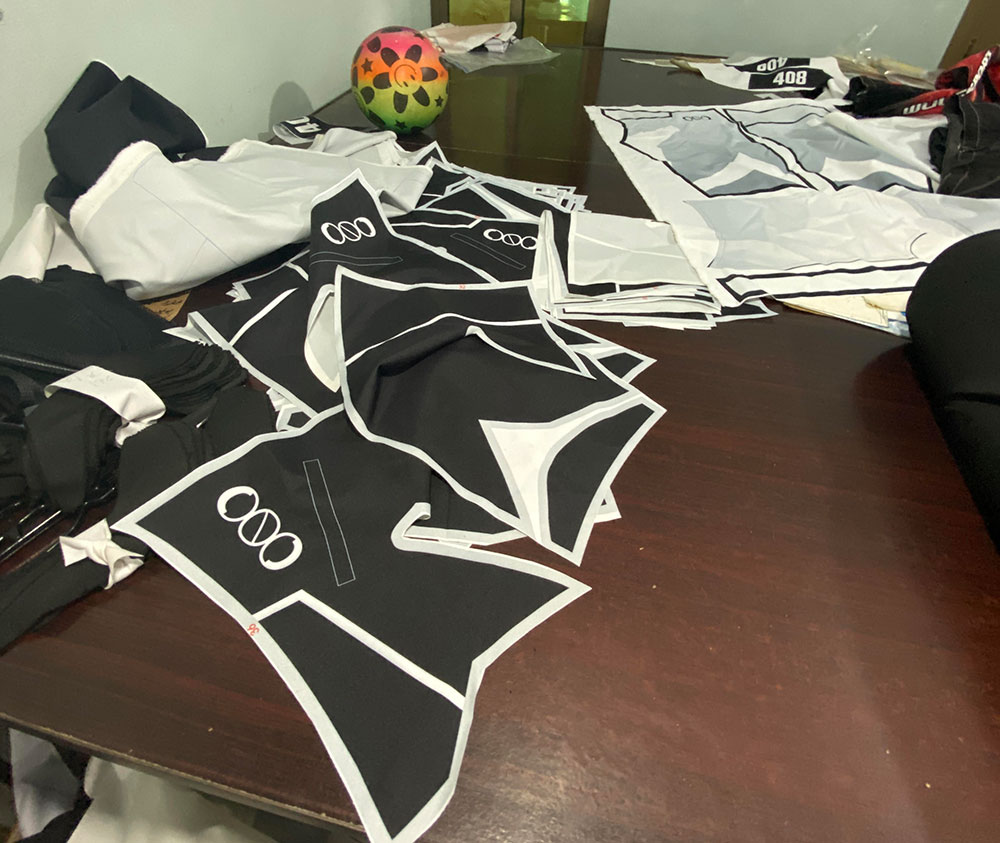
Some patterns of NOLOGO products

NOLOGO & Pakistan. The history and the future… We explain you everything !

Since the creation of the brand in 2017, NOLOGO has made the choice not to manufacture its products in France. Let's be frank, this choice was first motivated by a lack of means at the launch, and thus a lack of funds to invest in local production machines. Then, throughout our history, the reasons for this relocation have evolved. We explain why...

We initially headed to China as many people in the textile. Unfortunately, we realized that we had no connection and no relationship with them apart from that of money and business. It is true that some rates are very advantageous and there is no better value for money.
But this was not what we were looking for, we wanted to develop a long-term partnership of trust to be able to work on our products and their quality.

In 2018, we therefore turned to Pakistan, also famous for these textile factories.

We have since created real links with our partners there and we moved at our own pace with them until 2021 or we had to face new problems.

We experienced between 2020 and 2021 a very strong increase in demand: the organization and operation that we had until now was no longer manageable. Moreover, with the period of sanitary crisis that we are going through, the shipping formats have changed and despite having tried, it has become very difficult to maintain reasonable deadlines.

It was therefore necessary to react as quickly as possible, and we went there to continue to move forward with them in the best possible way and thus prepare the future in the best possible way.

“ We arrived in Pakistan for the first time !

From the very first days, we discovered a country very different from what we knew, a country divided between development and scars of the past.

We all know these countries for the wrong reasons, but these stories are part of the past here, and it is time for us to turn the page and forget our preconceived ideas.

The factories are mostly located in buildings (apartments) and each room is used for one stage of production, so each person on site has a role and a job.

In our factories, the workers are paid about 180 €/month which corresponds to about 32 000 PKR. The average salary in Pakistan is about 188 €/month. What seems to be a low cost for us is in fact quite relative for them considering the very low value of their currency compared to the Euro. As an example, we barely paid 300 € for more than a week in a comfortable hotel.

As previously mentioned, the country is in full development, so their priority is to work inside their country with their currency and to try to export as much as possible abroad. Imports remain very low.

After learning about the plants and how they work, we worked on the entire organization. We focused on understanding where the problems could come from and like everyone else, they were also affected by Covid. With the government taking steps to downsize in the buildings, they had a hard time keeping the same pace of work and production as before.

We worked on new tools and techniques to anticipate, manage and meet demand with more organization. They were delighted and grateful to have these very constructive exchanges that will help them grow just as much.

Despite all this organizational work to ensure the future, we have not forgotten to work on a lot of new products that will please you. But for now, we’ll keep it a secret 😉

Much more than a working trip, we wanted to bring another dimension to this partnership.

Indeed, NOLOGO will now take part in the development of these factories by helping them to improve the production tools, by investing with them in better production lines for a better working comfort of the employees.

In addition to the side related to the factories, we were very touched by the poverty we could see there. We had the chance to discover the city as a whole, to learn about the local customs, habits and everything that happens differently from home. It is certain that we have much to learn from these countries and their mentality as they are so generous despite the little they have.

This is why we have decided, together with local organizations, to make a portion of our profits available to children and families in need.

By this we want to make a real partnership with the country and we hope to create a long-term positive impact in the lives of people there.

It is certainly very good to operate the made in France, but having now full knowledge of Pakistan, its history, living conditions and these issues, it seems to us very important to help and support these populations really in need.

We are a French company that pays these taxes in France and employs French people on the territory. There are jobs with us for people who are looking for them.

Unlike some companies that use made in France to hide their offshoring practices or that will lay off their production staff as soon as they have pocketed enough to automate everything:We are proud to grow alongside our partners in Pakistan who know how to provide us with very good quality in record time. So because of the quality of this partnership, we don’t have to hide the fact that we are having production done overseas.

You have now a full transparency on the place where your favorite products are manufactured and you have, at your level, the opportunity to play a role to help the development of Pakistan by joining the NOLOGO Family!

NOLOGO PROUDLY MADE IN PAKISTAN !